We designed a field guide that facilitates the transfer of local regenerative farming knowledge to future farmers.
User research, Workshop Design, Stakeholder Engagement, Communication Strategy, Graphic Design
This project was developed in collaboration with Farmfluencers, a network of small-scale farmers working to strengthen sustainable and regenerative agriculture in South Tyrol. They came to us with a broad ask: to help strengthen local regenerative agriculture. Agriculture in the region is largely dominated by apple and wine monocultures, which are economically successful but rely on intensive practices and leave little room for alternatives like regenerative agriculture, permaculture, and diversified small-scale farming. Looking closer, we identified an underlying challenge:
Young farmers are often interested in alternative farming approaches but lack local role models, practical knowledge, and supportive networks, while experienced alternative farmers have few channels to share what they know.
The Field Guide
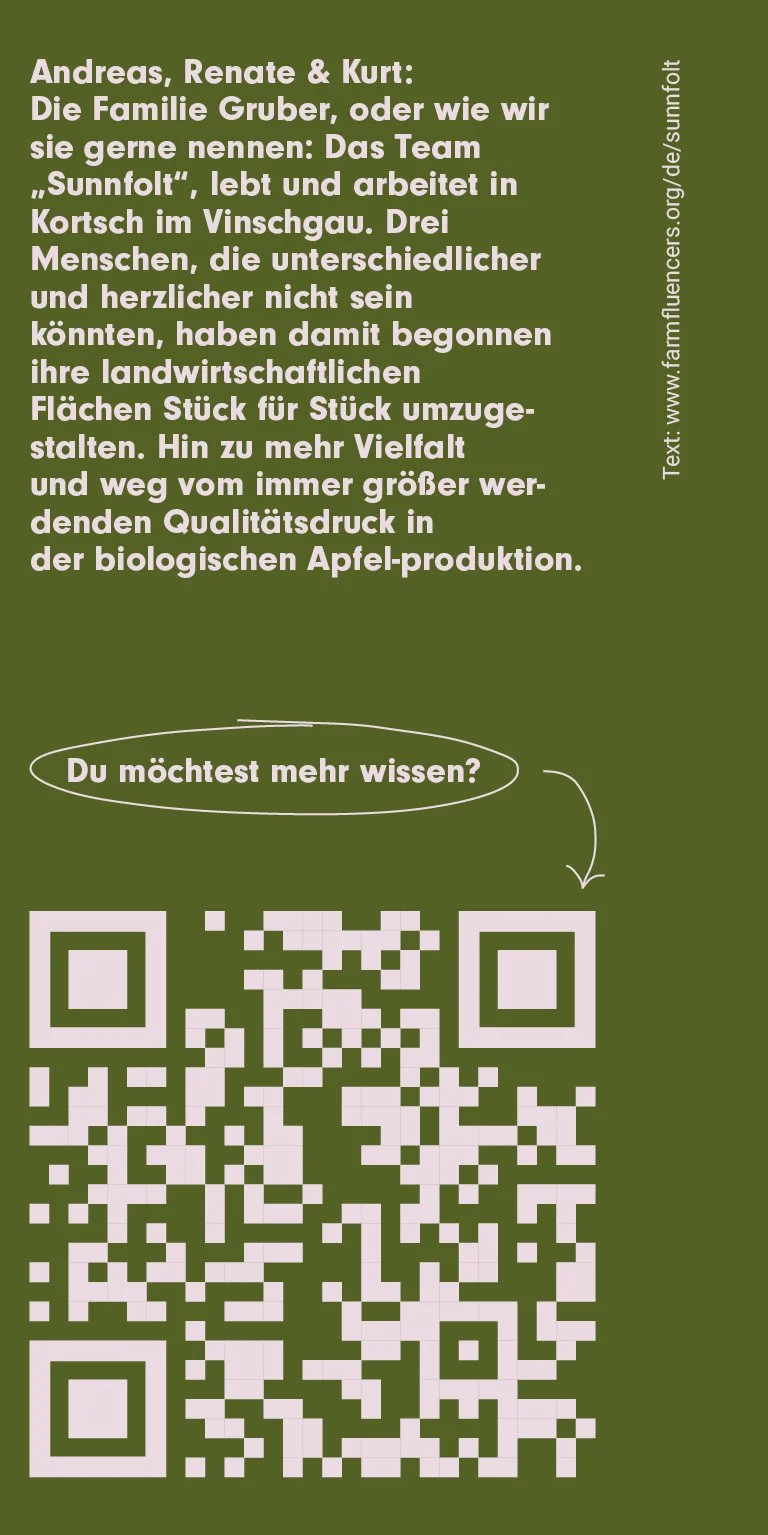
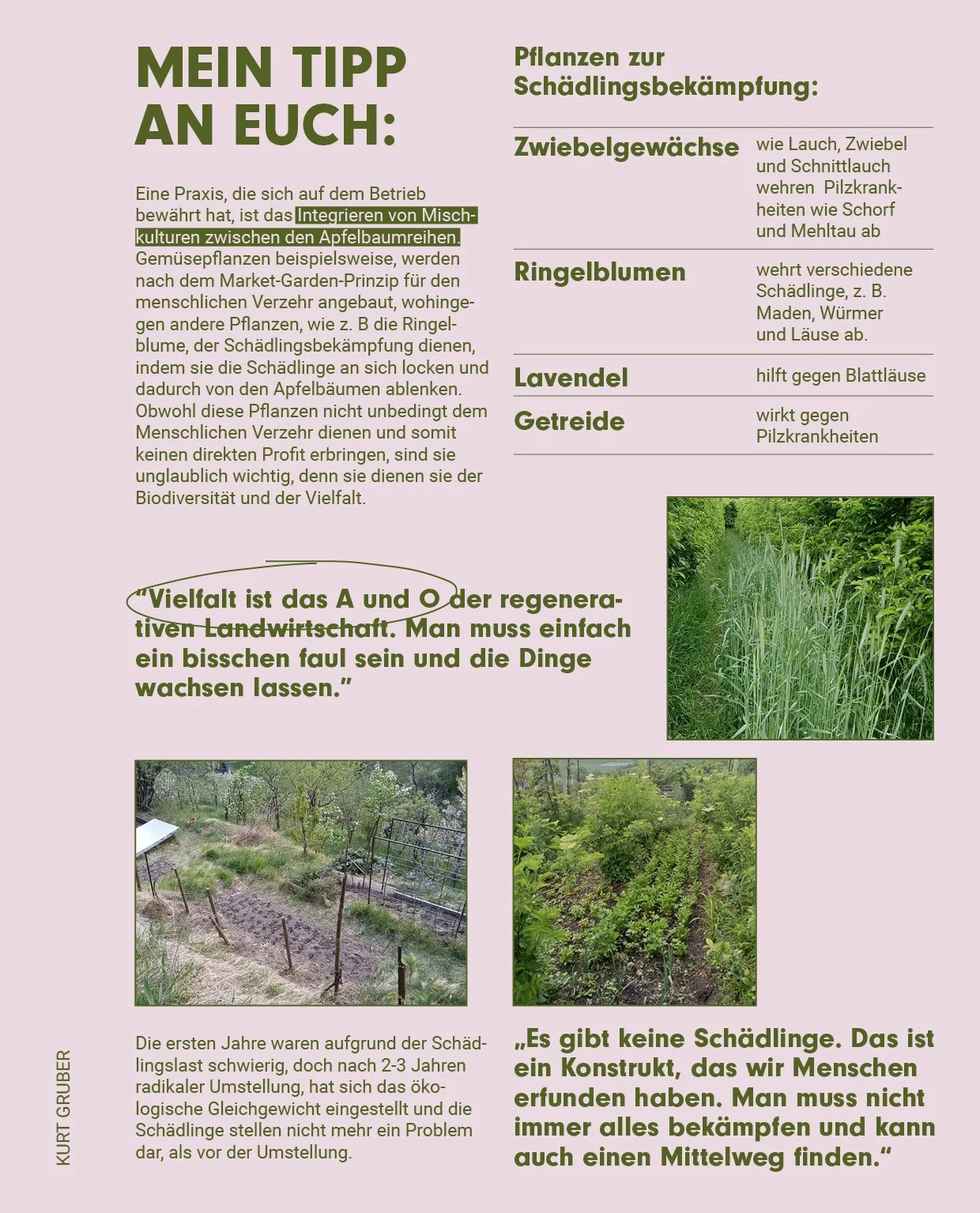
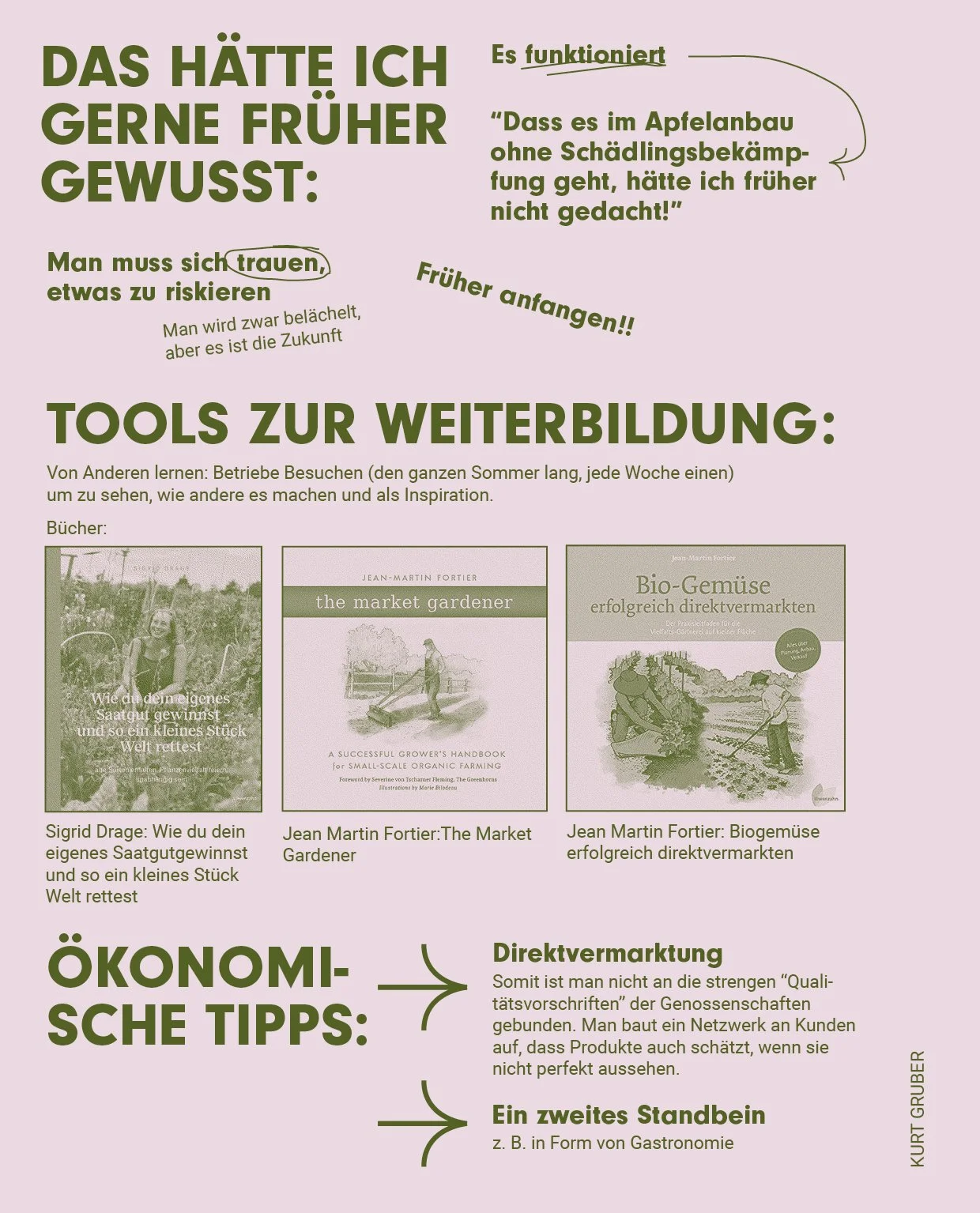
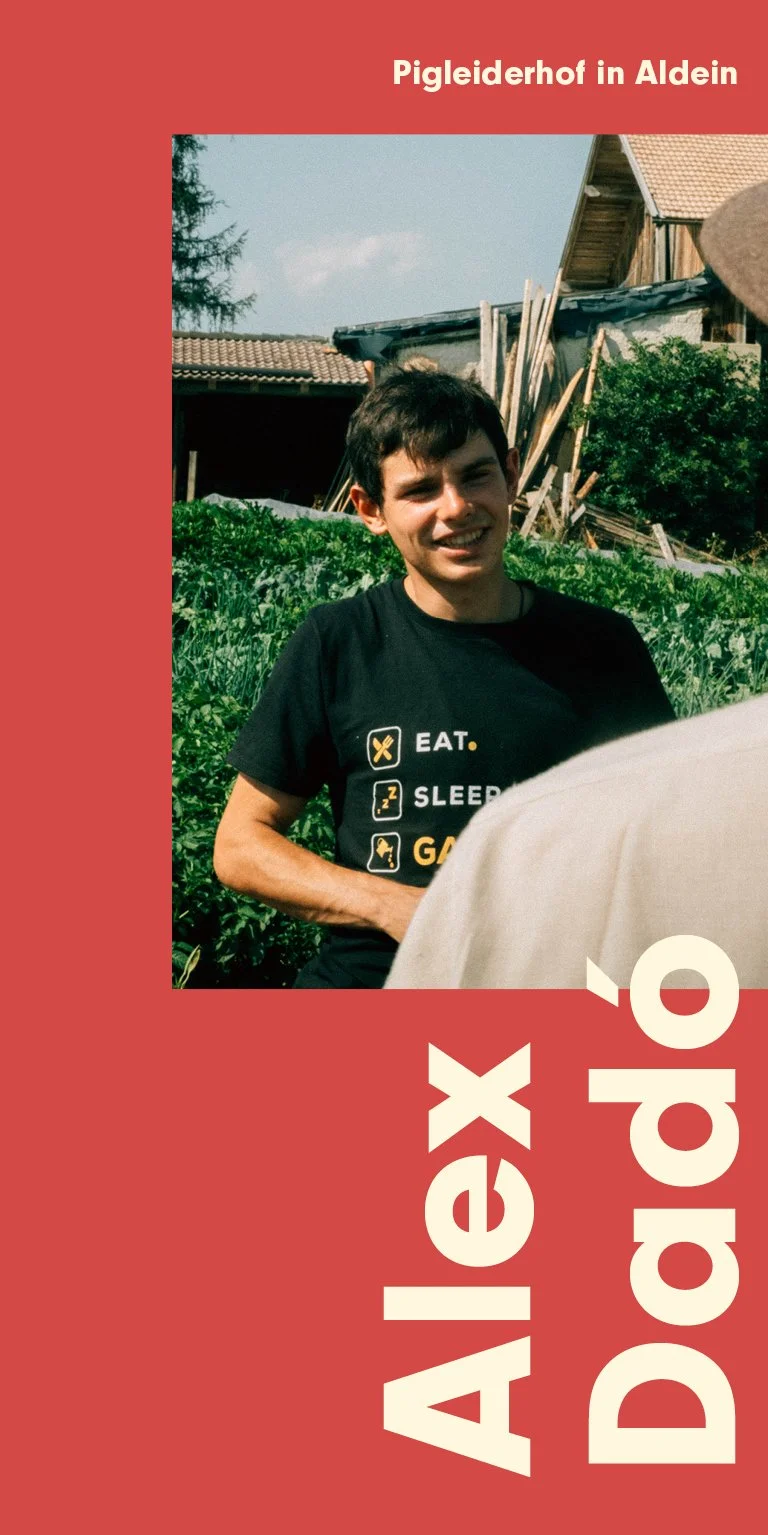
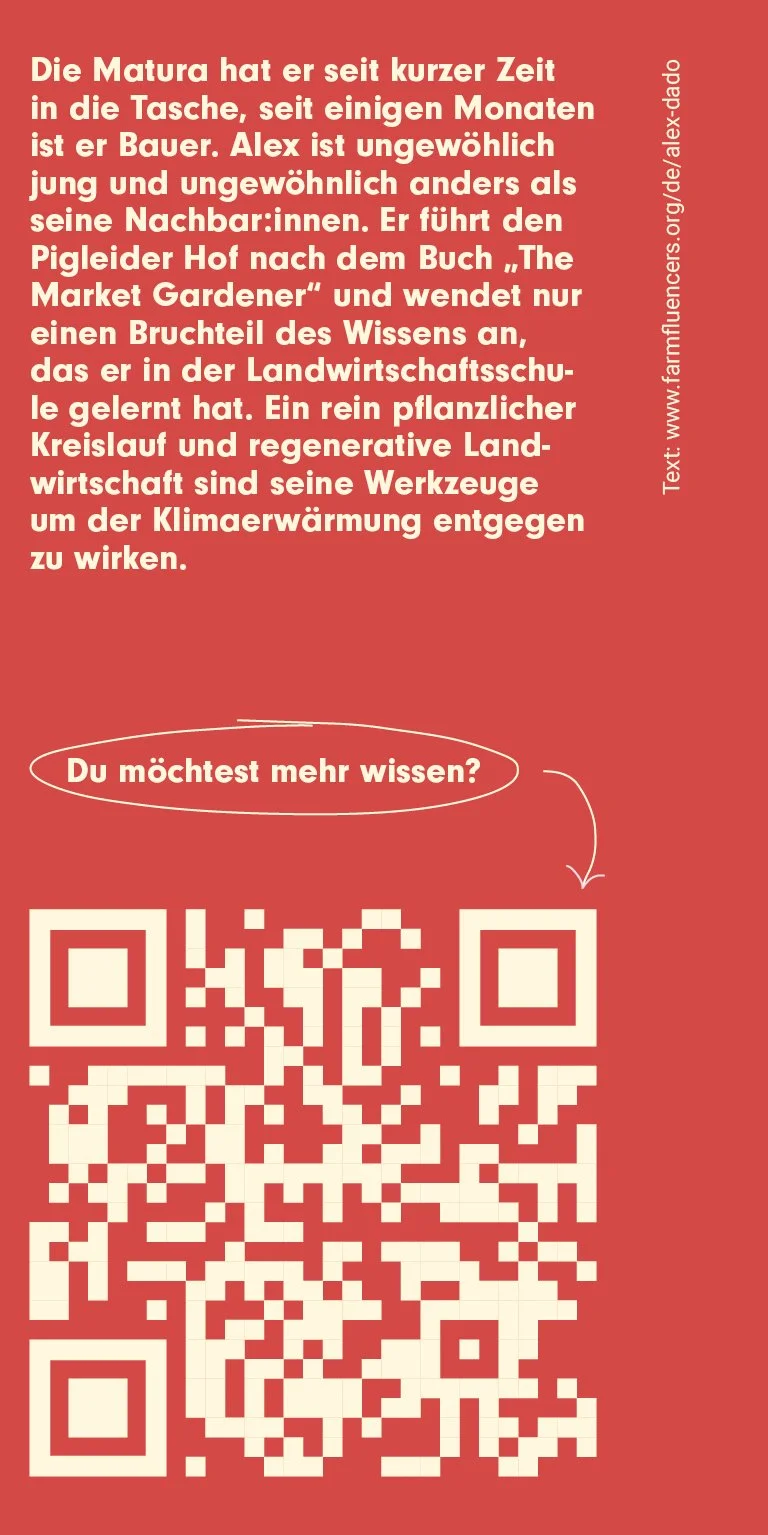
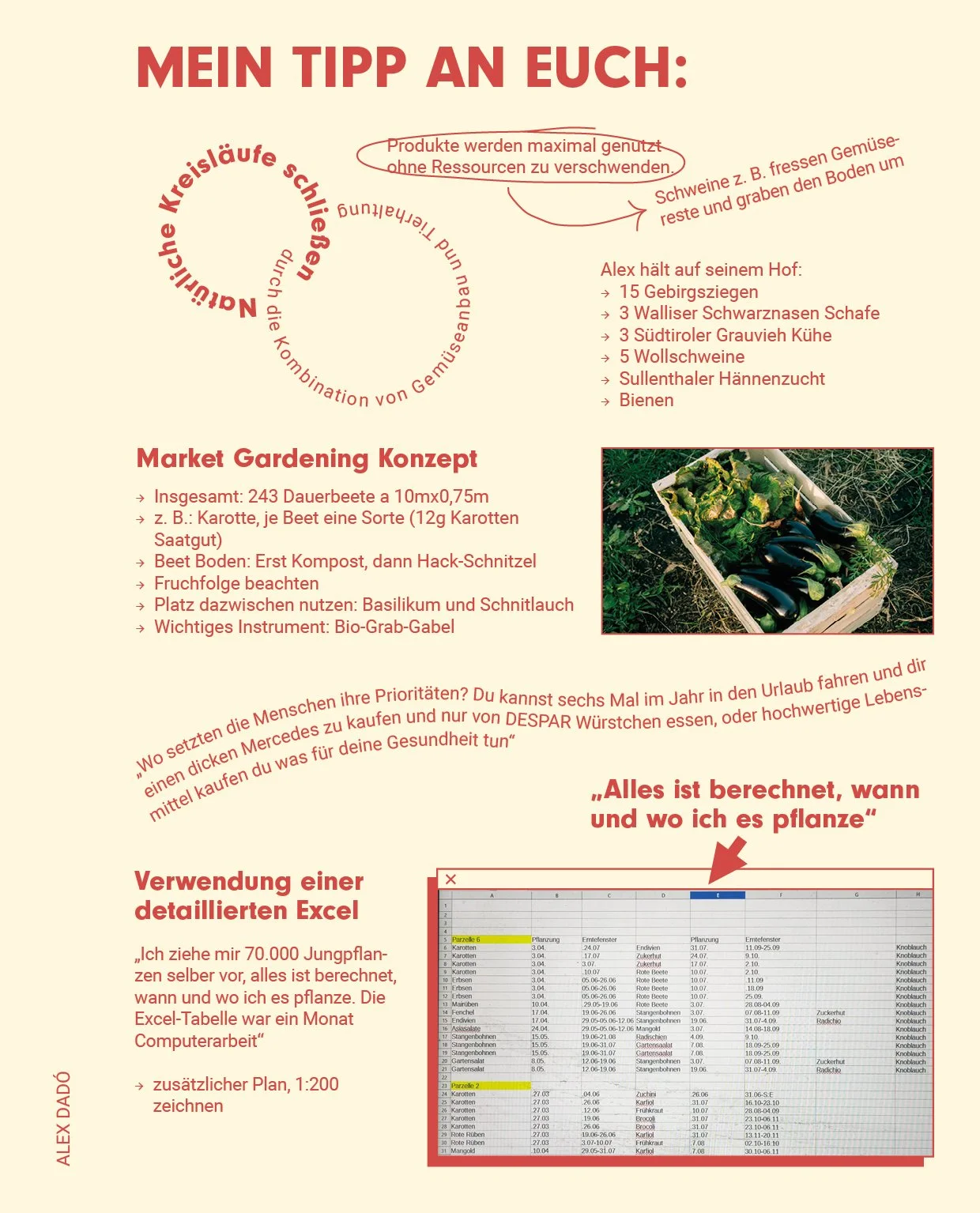
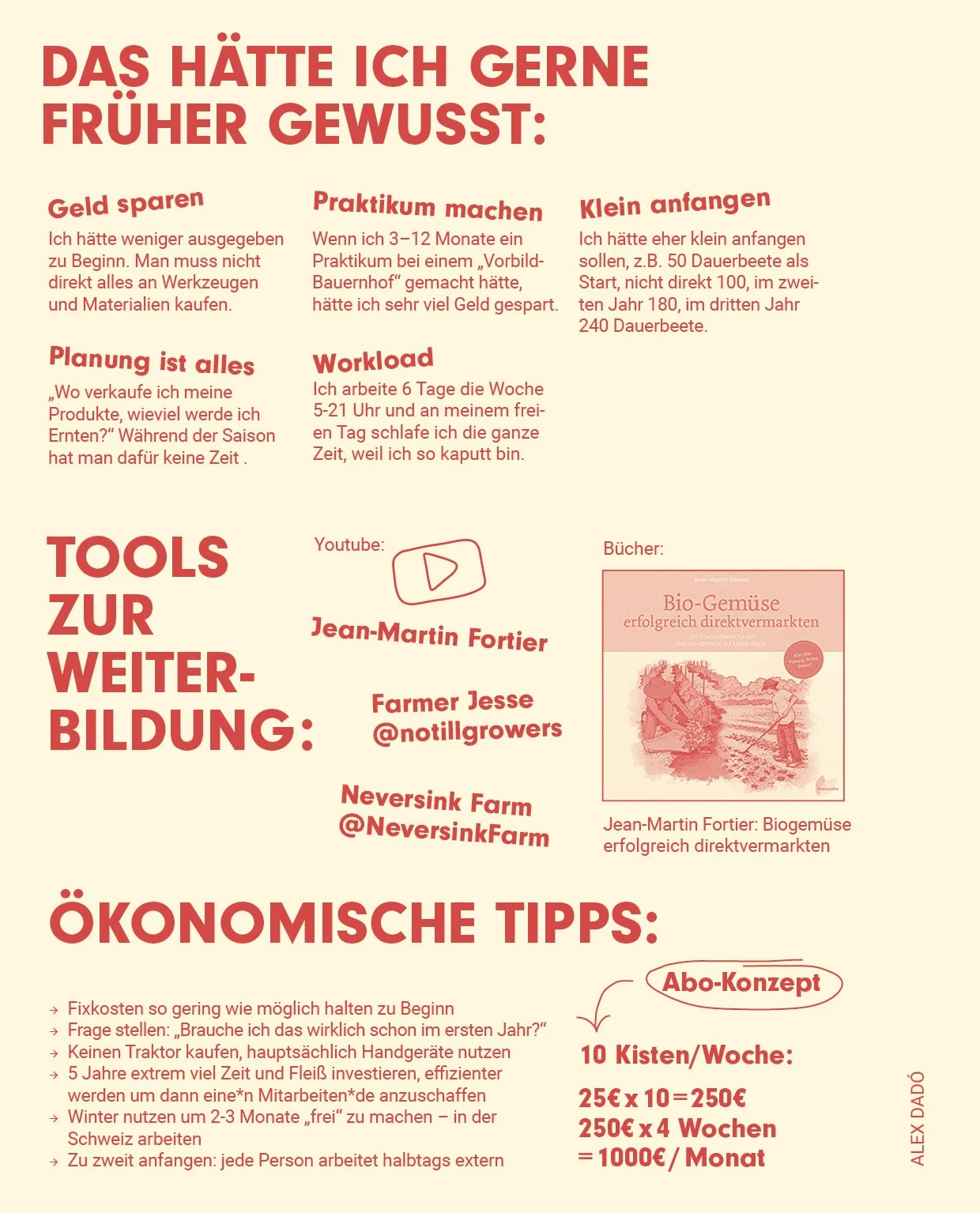
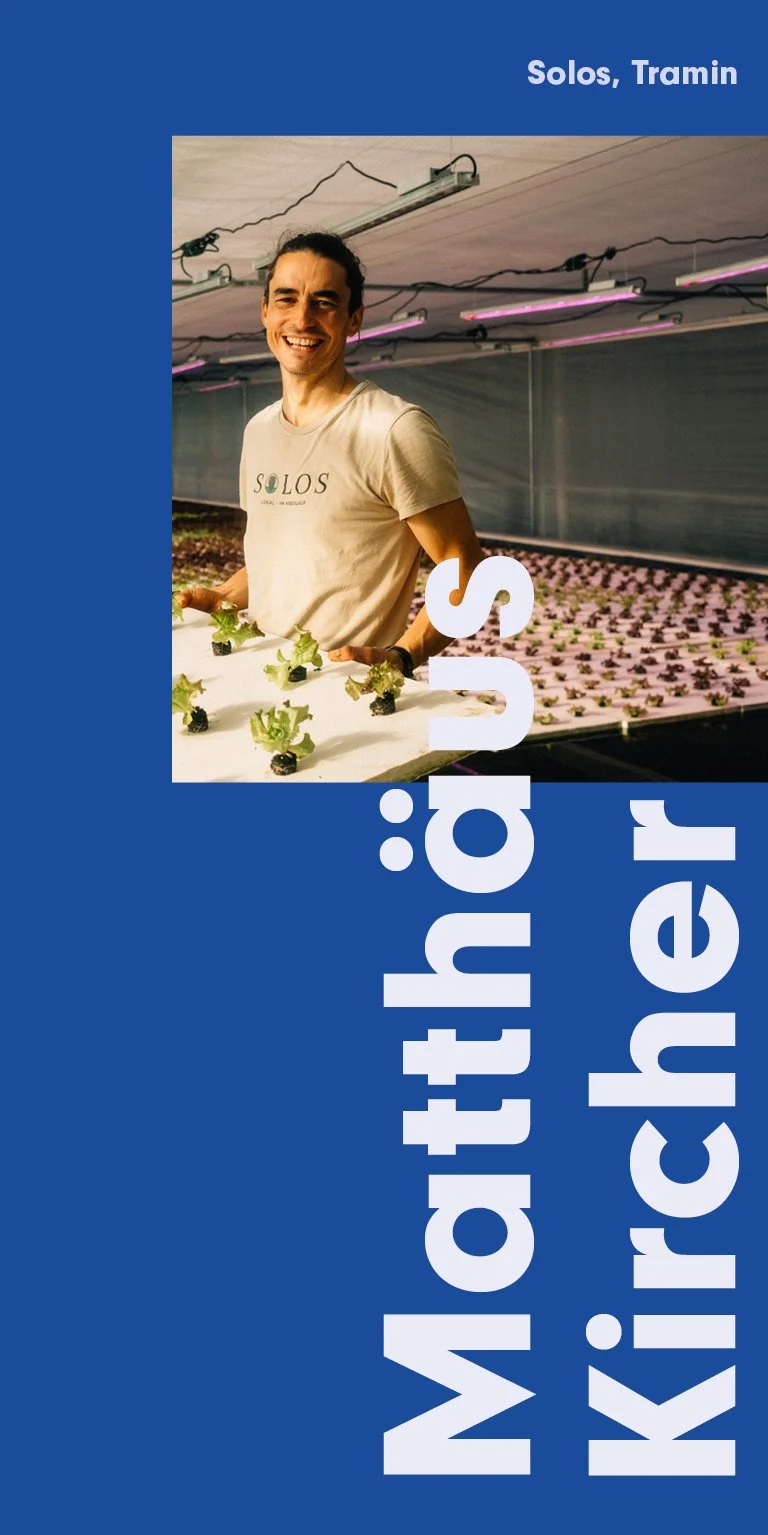
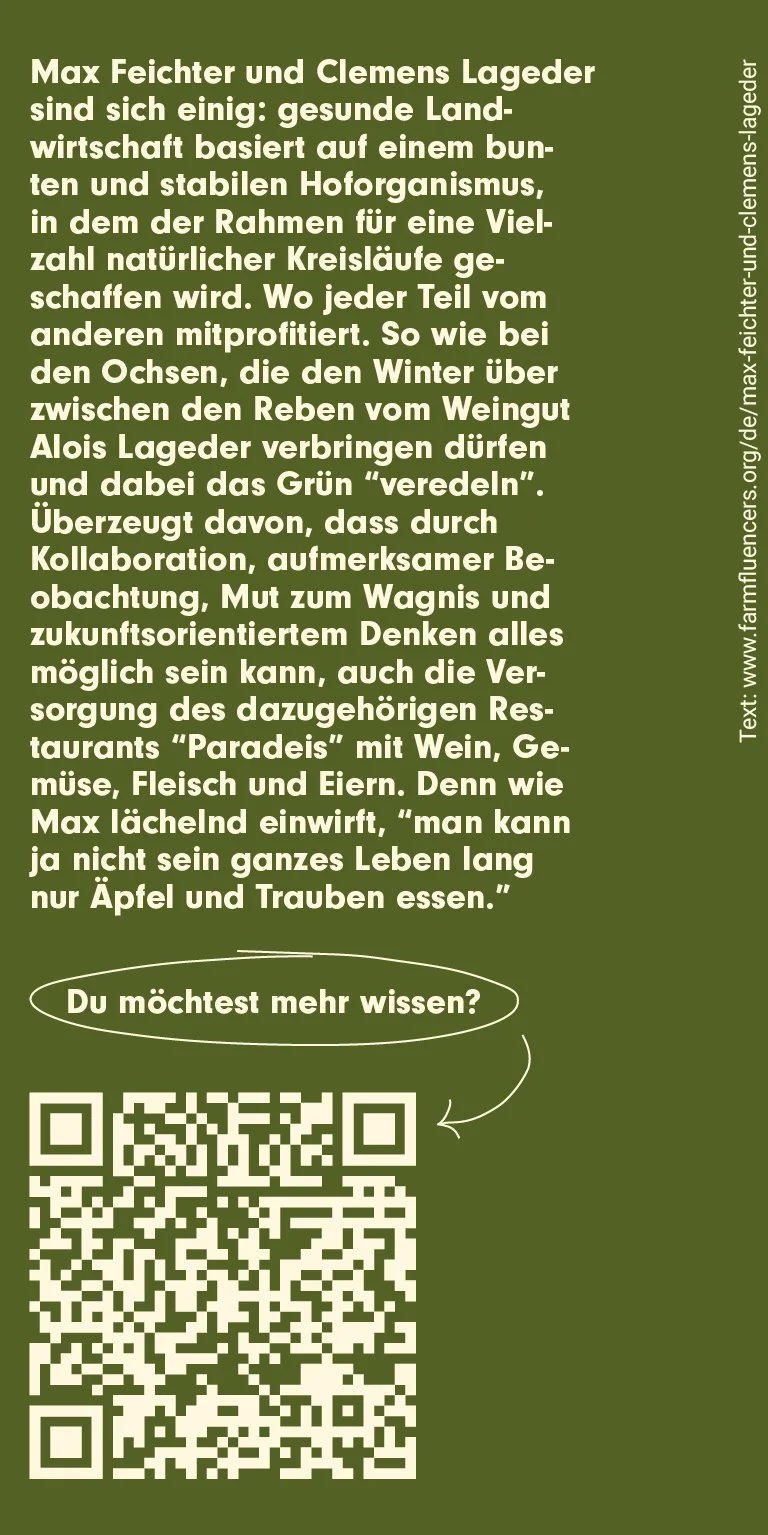
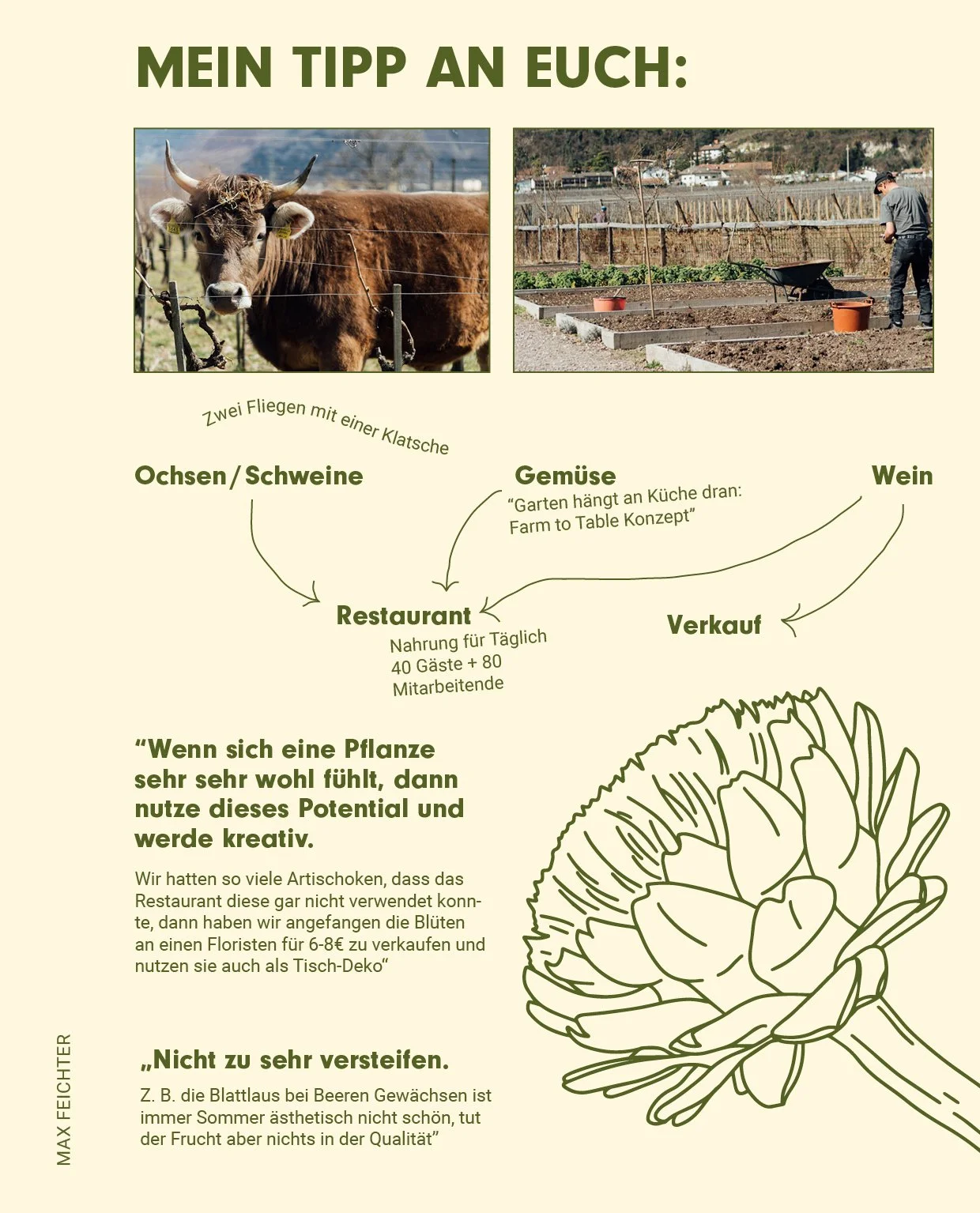
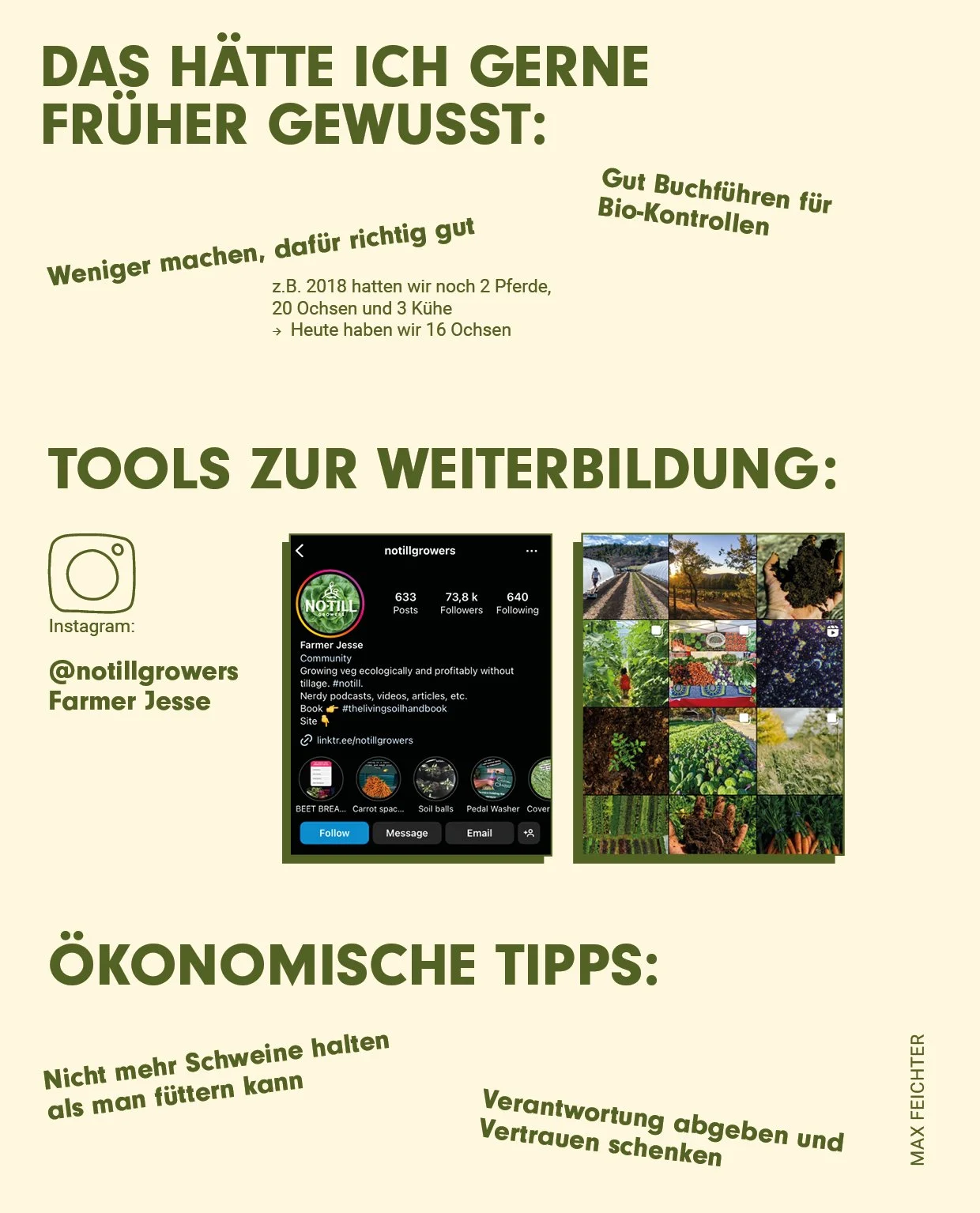
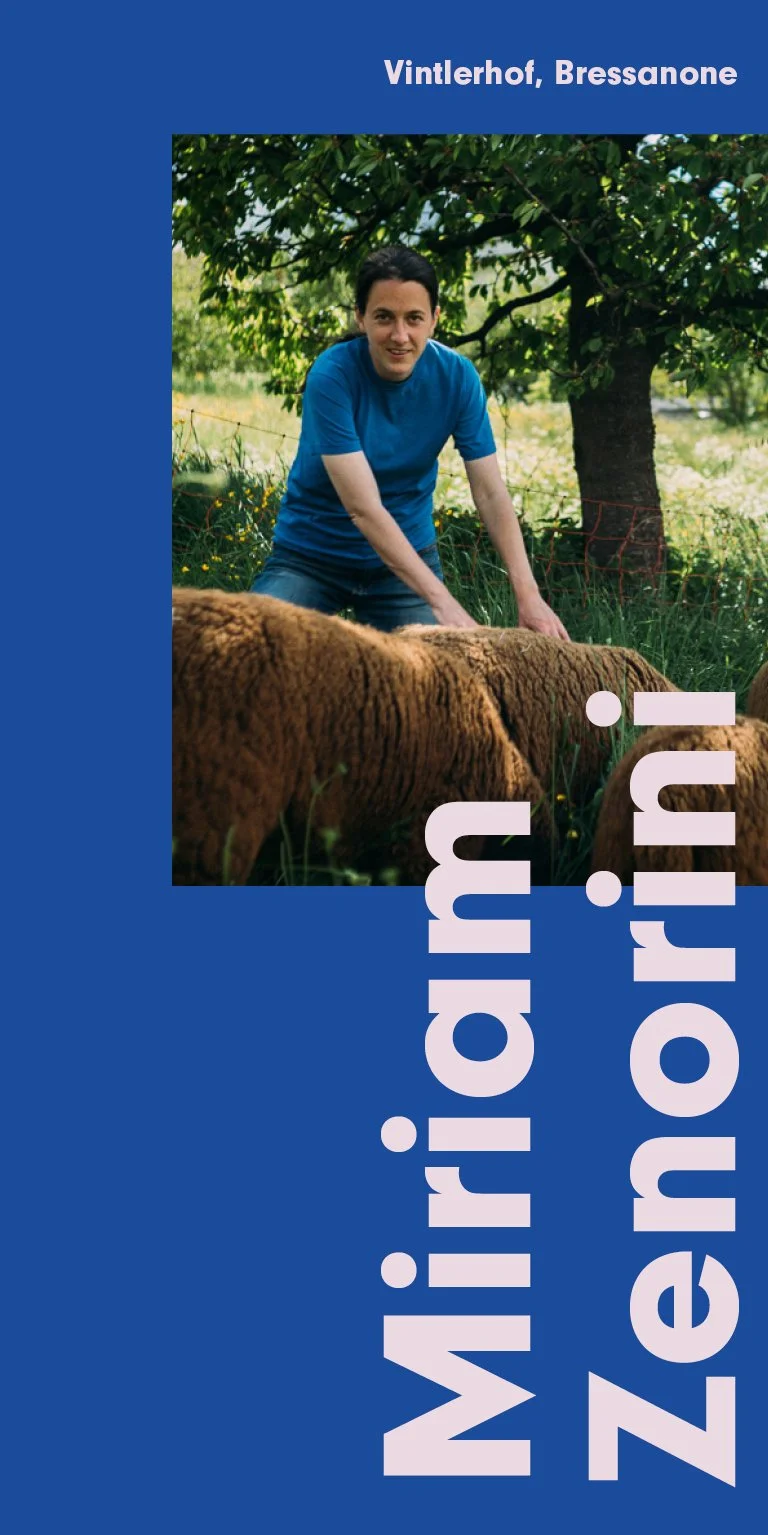
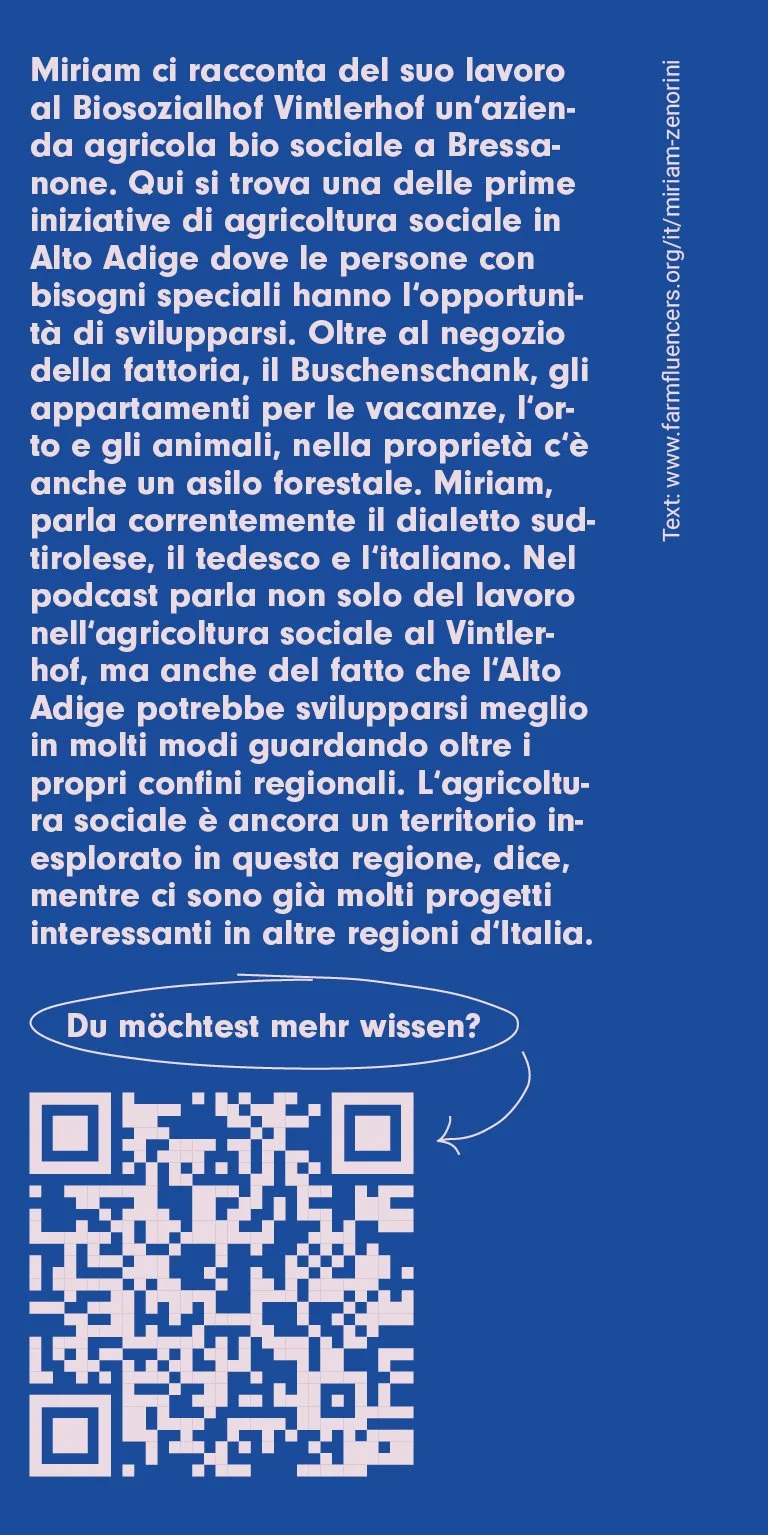
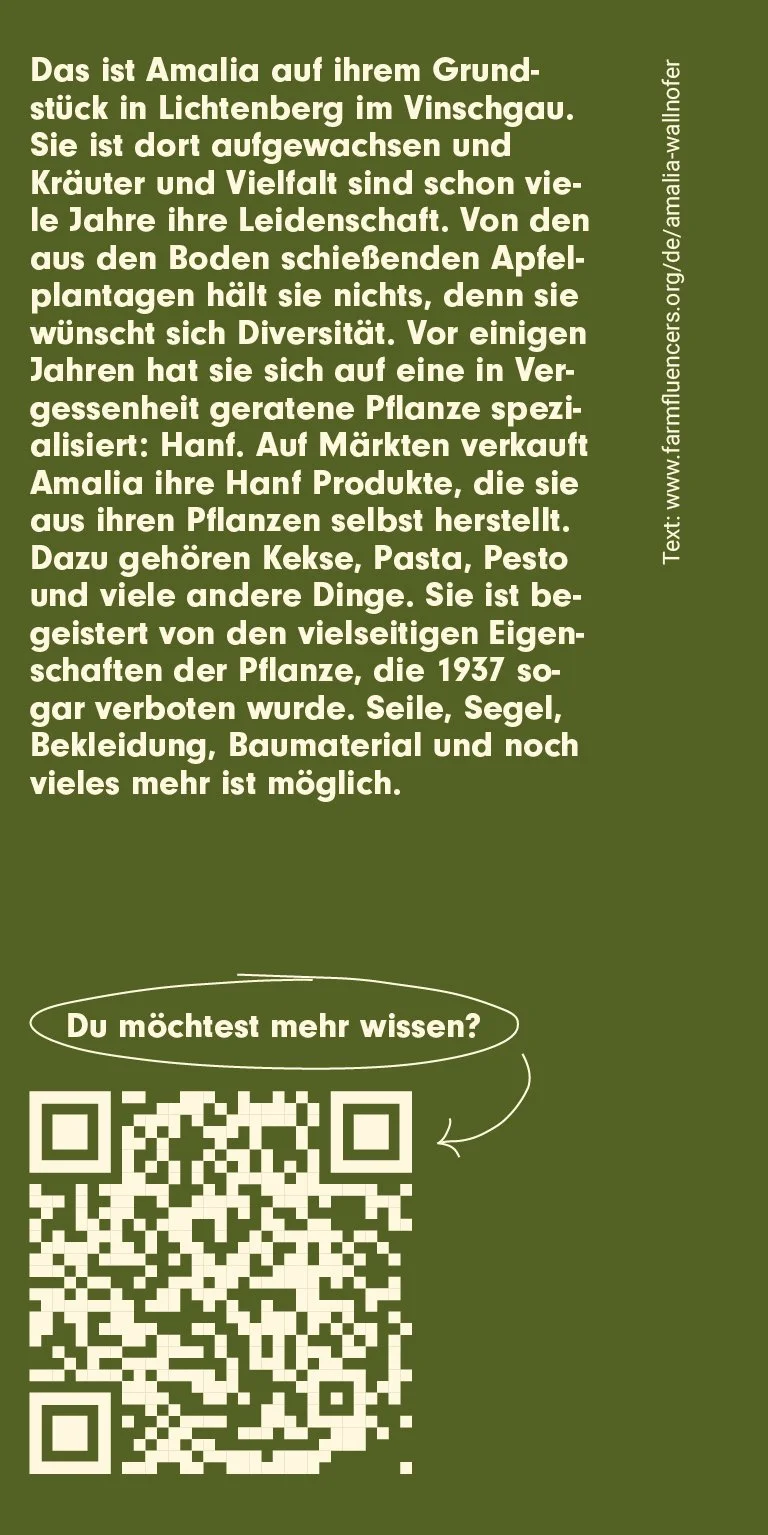
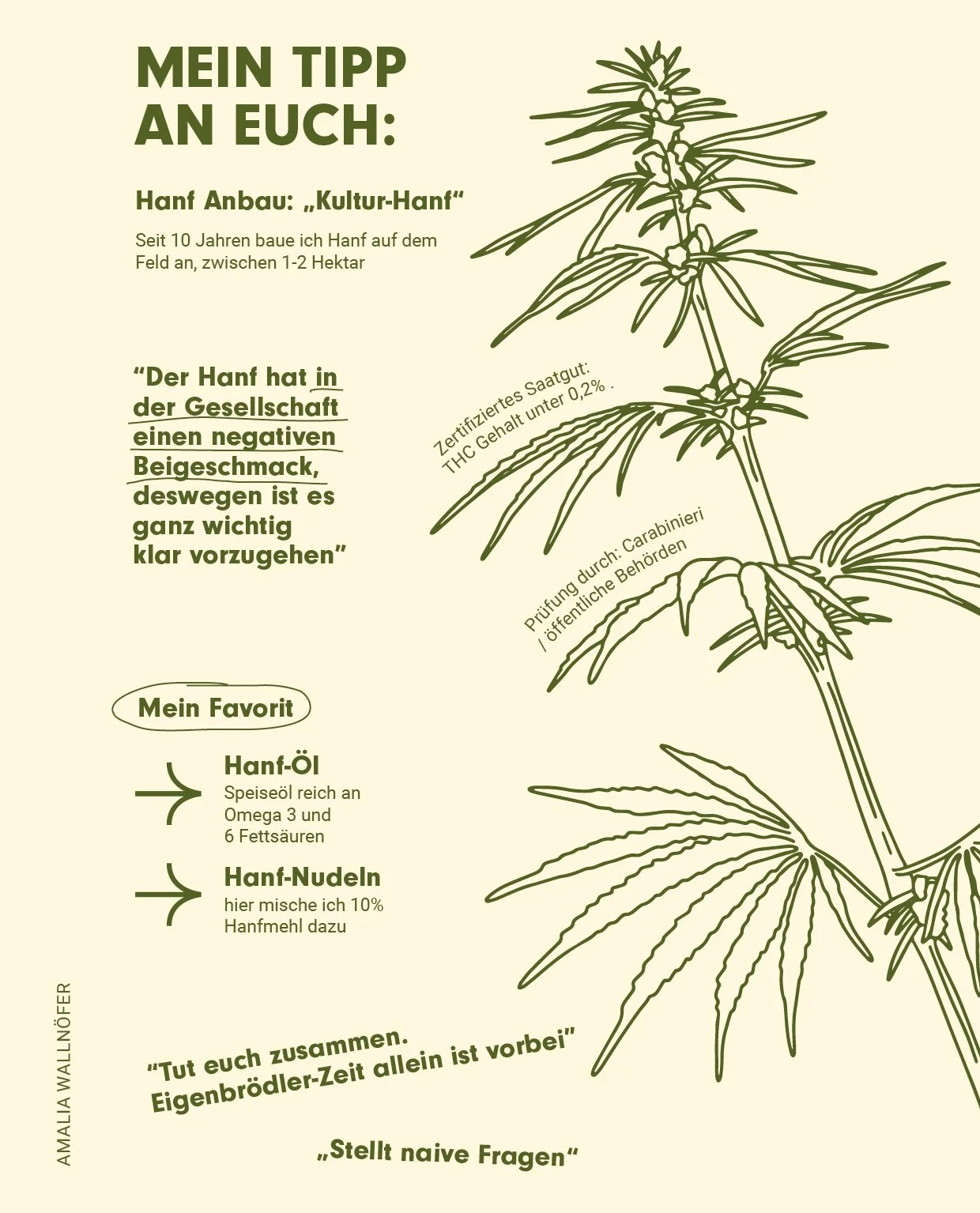
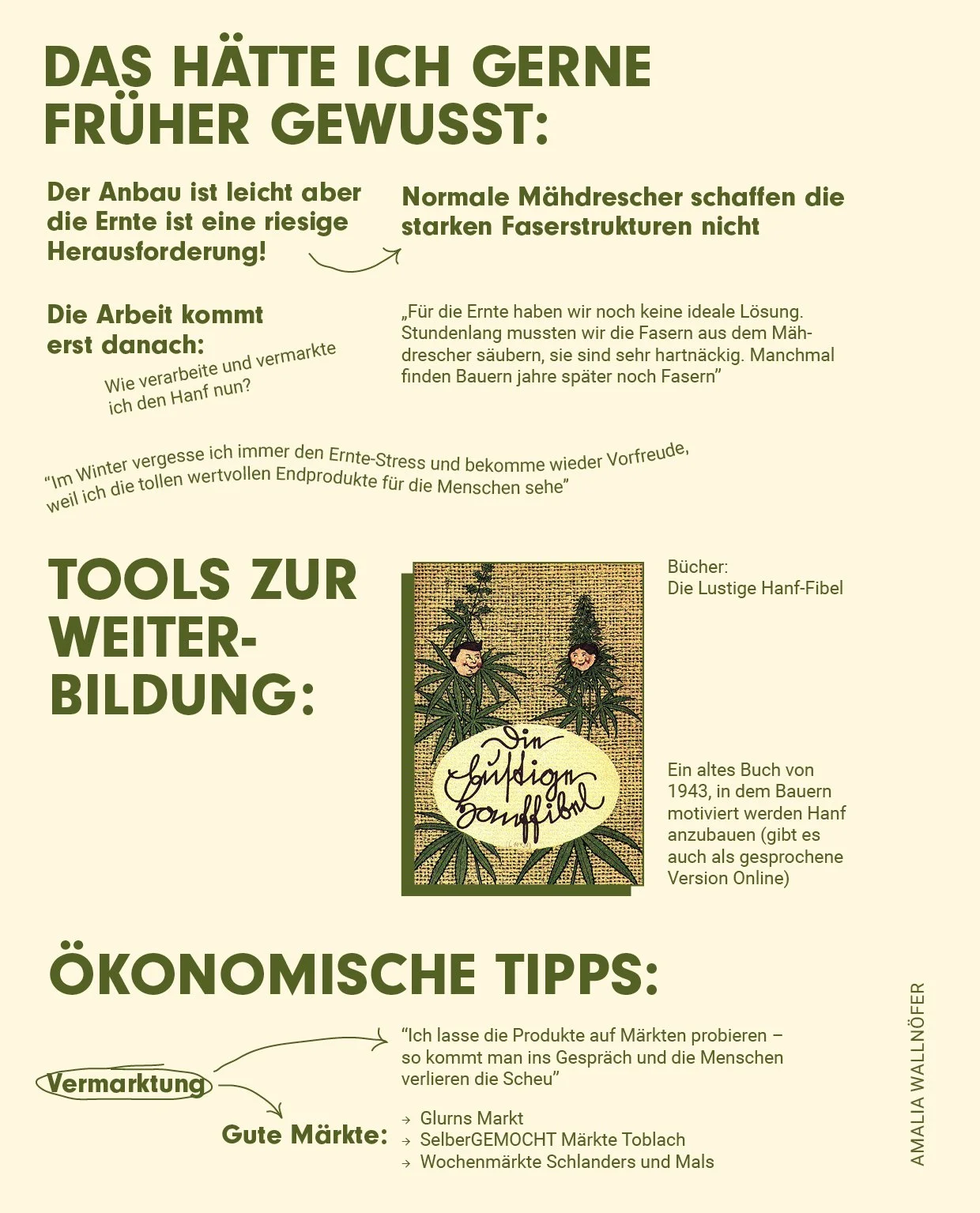
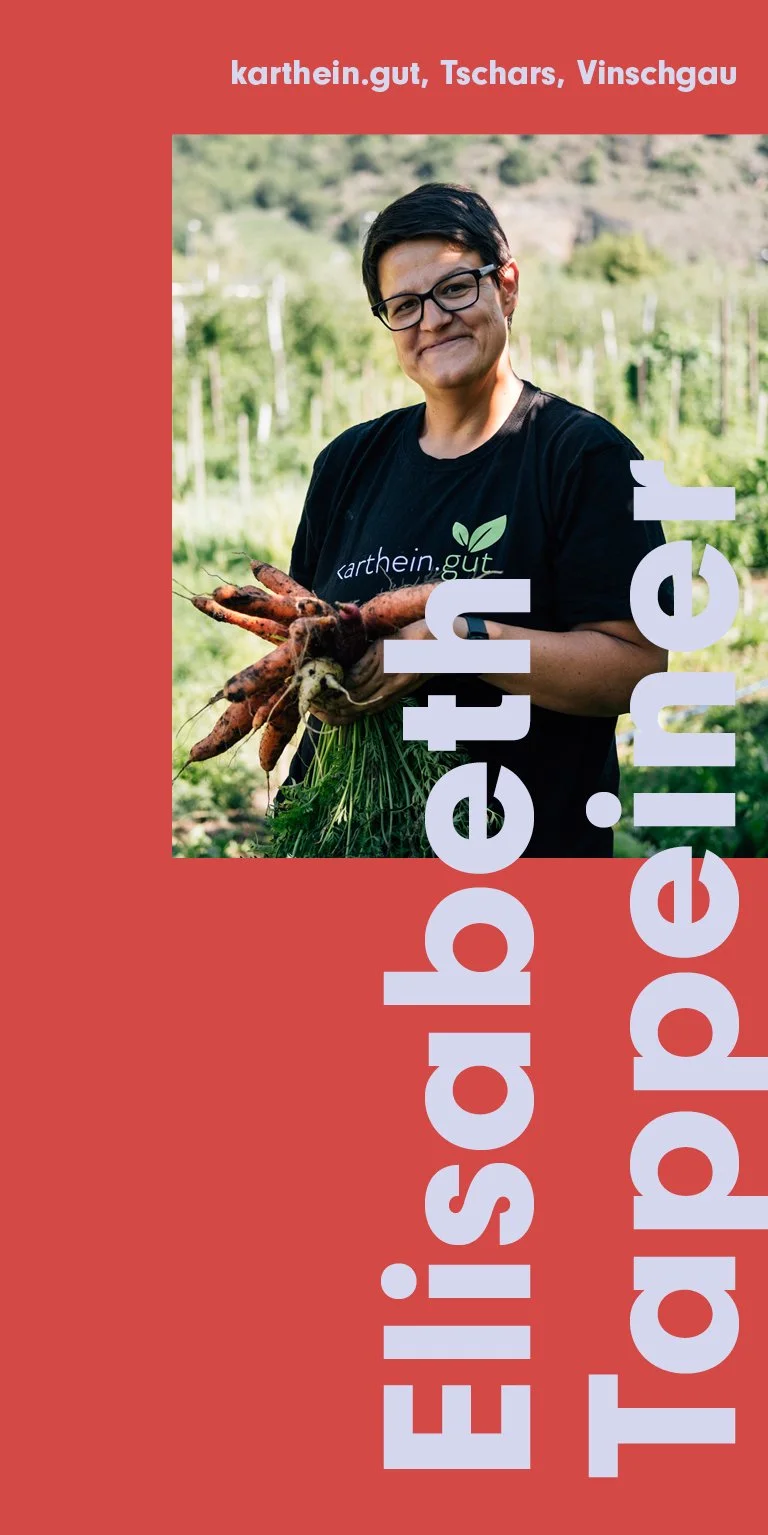
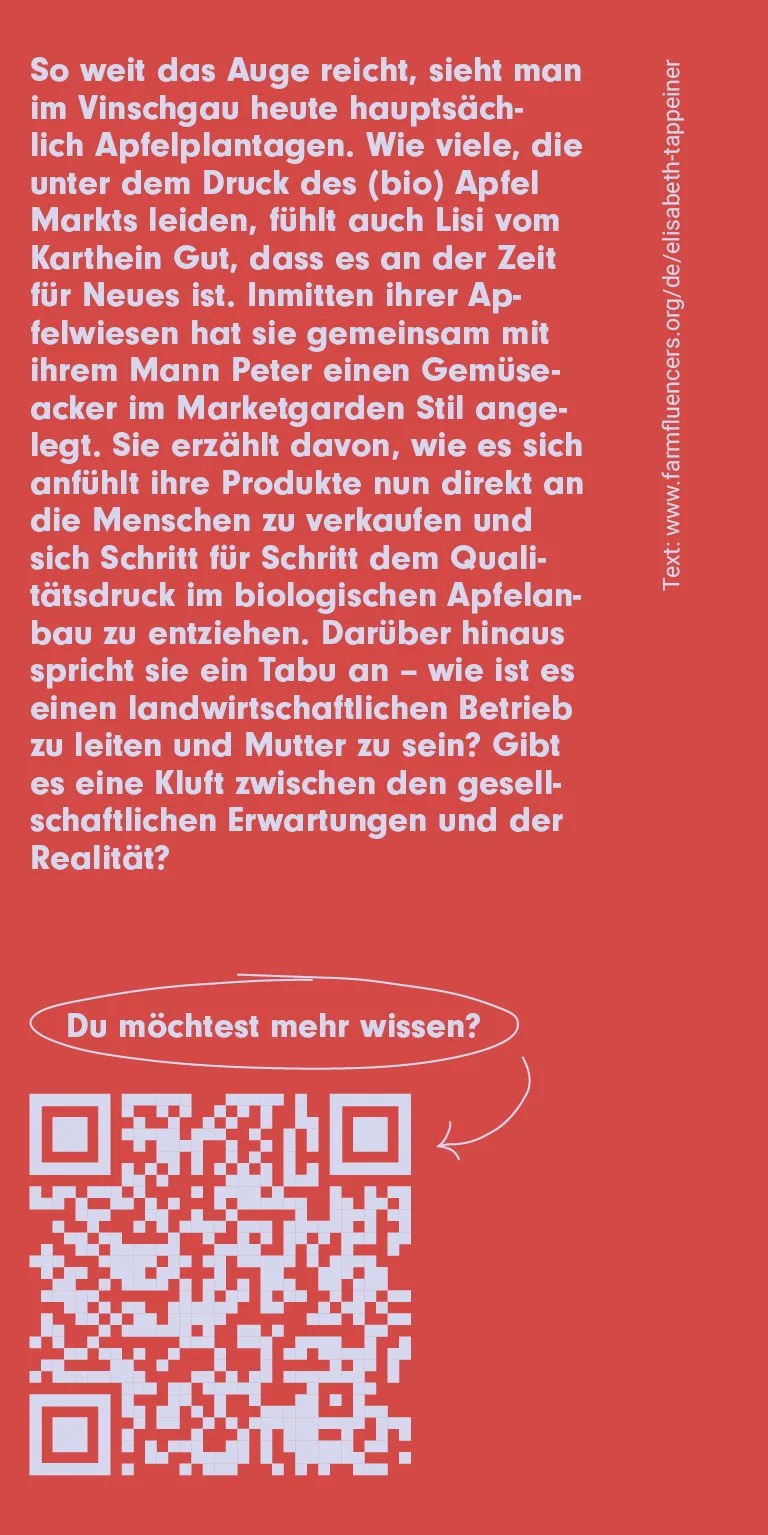
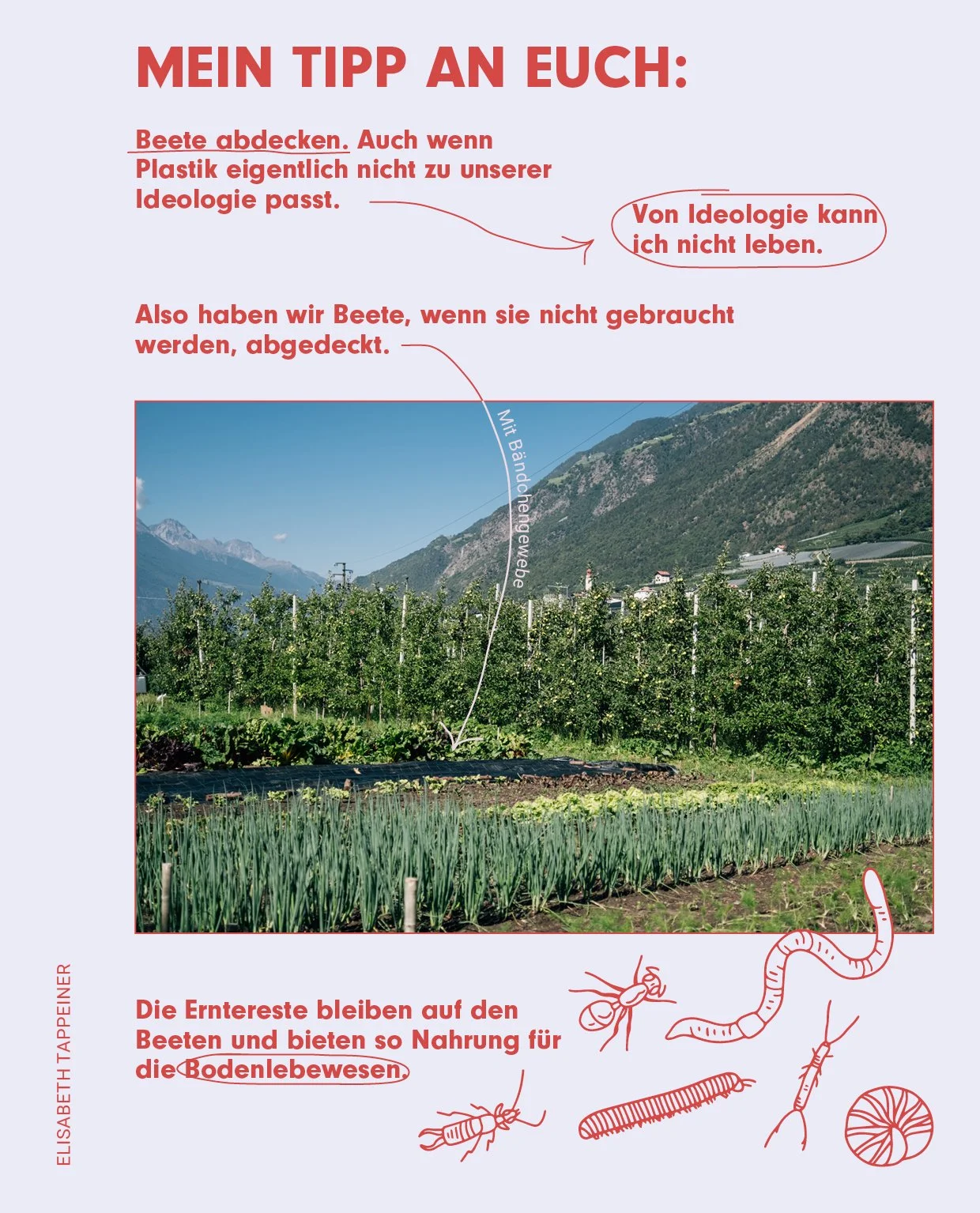
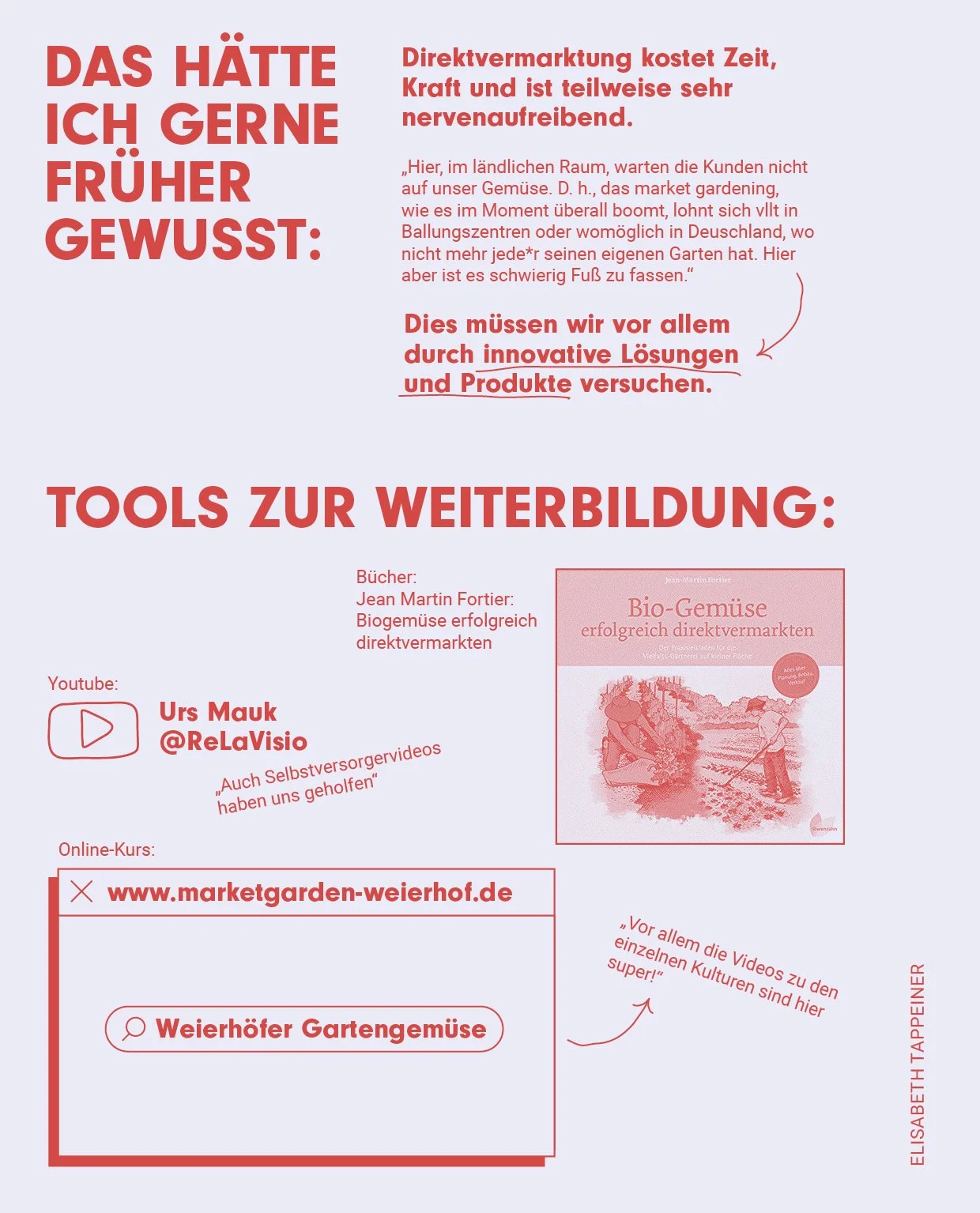
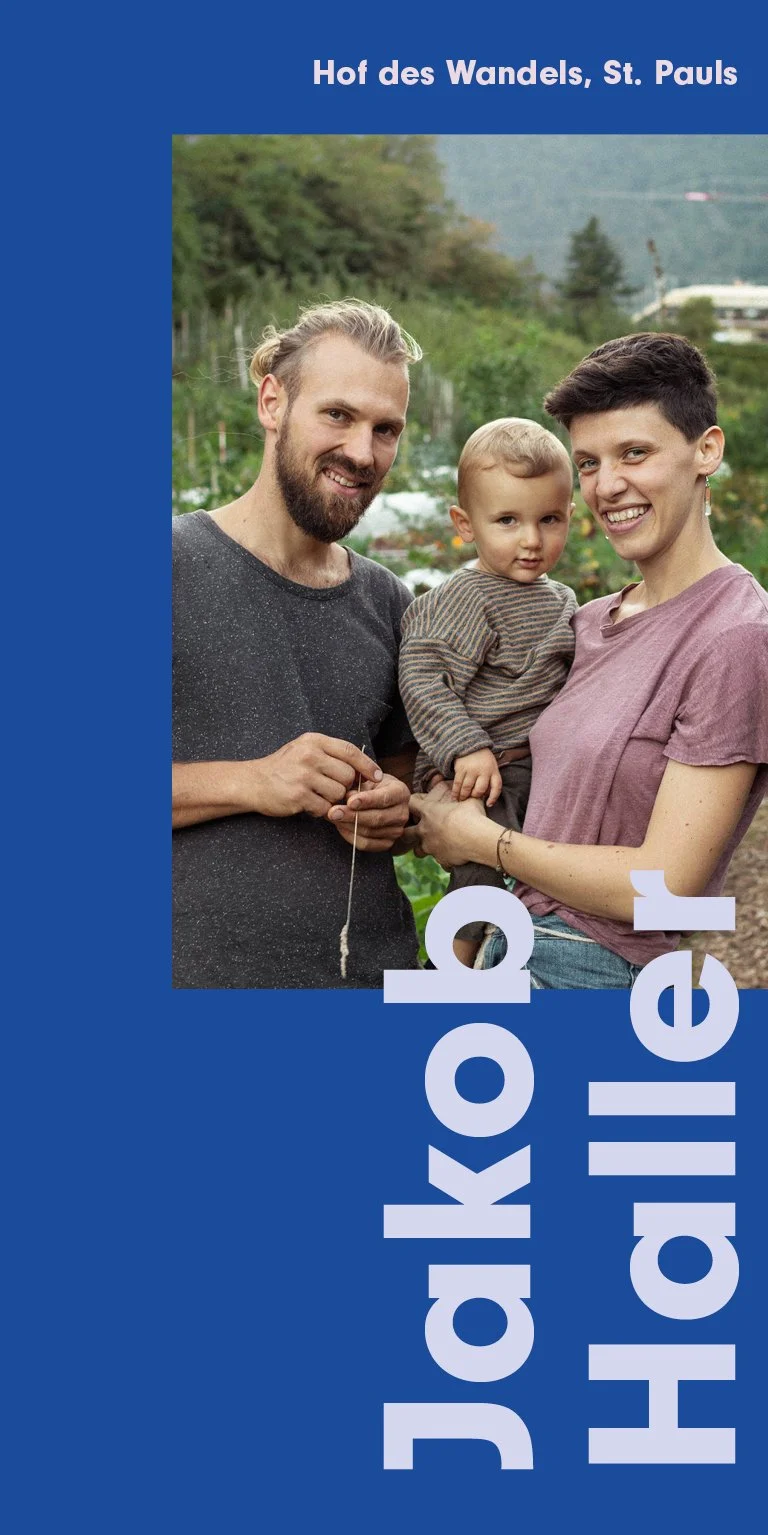
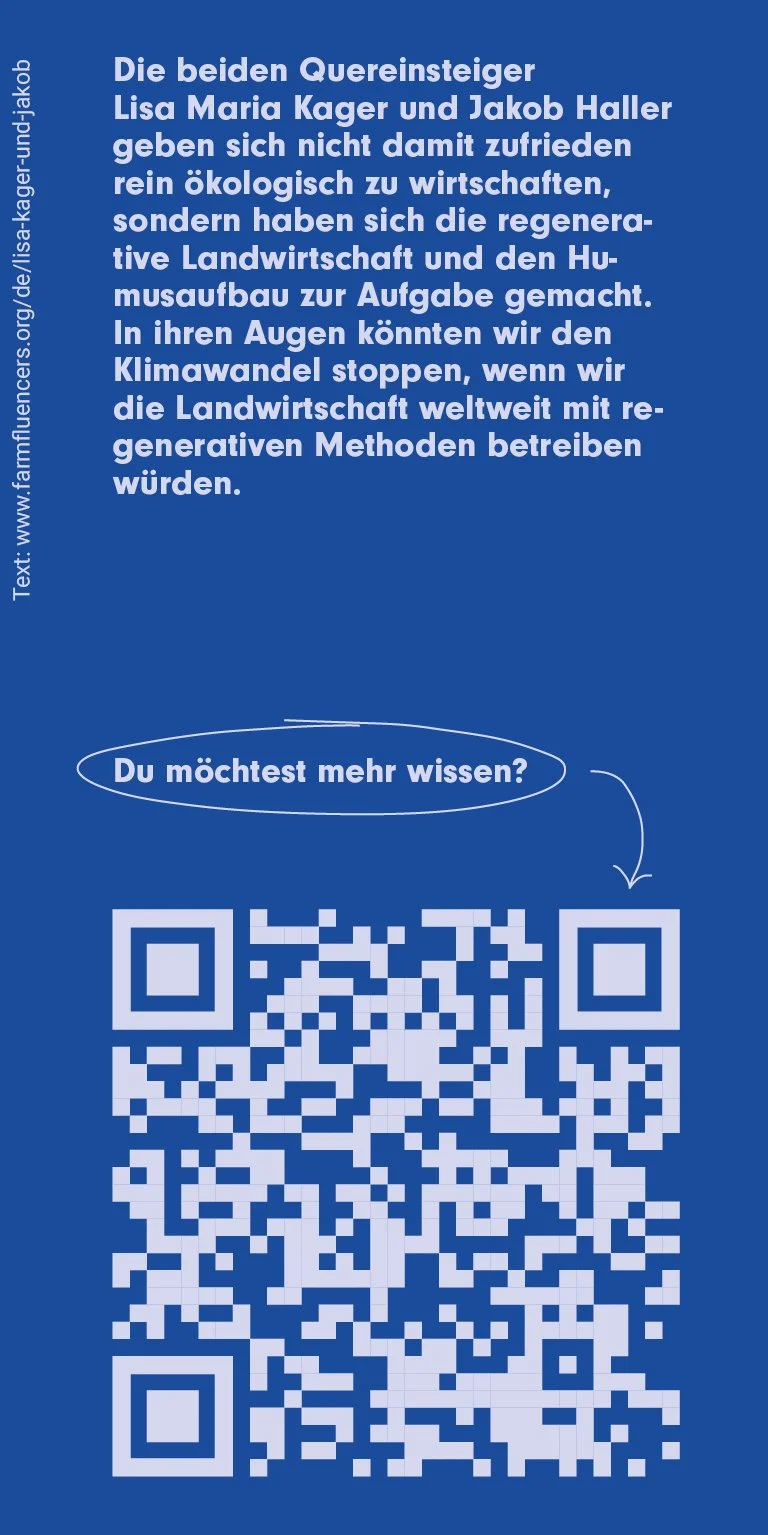
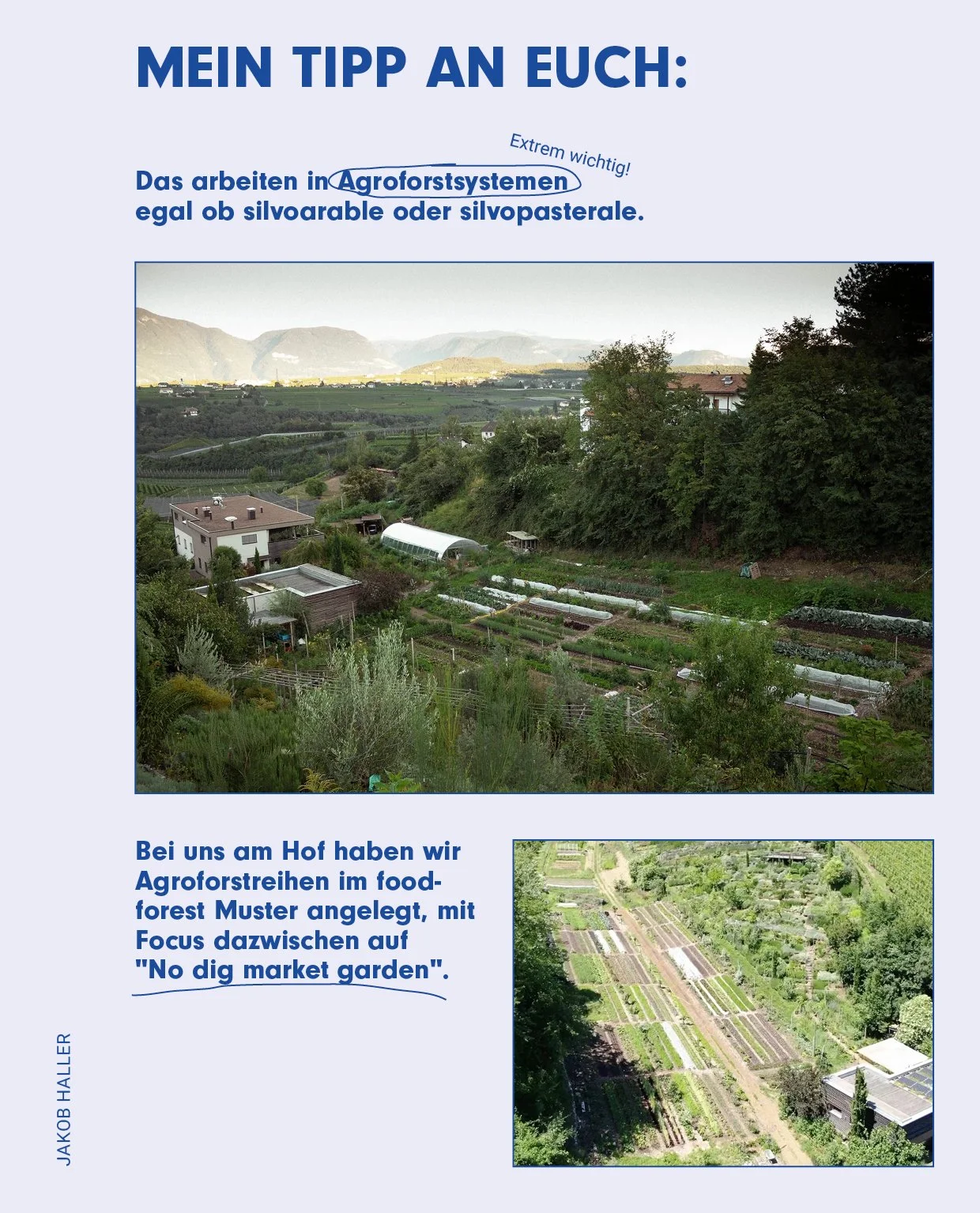
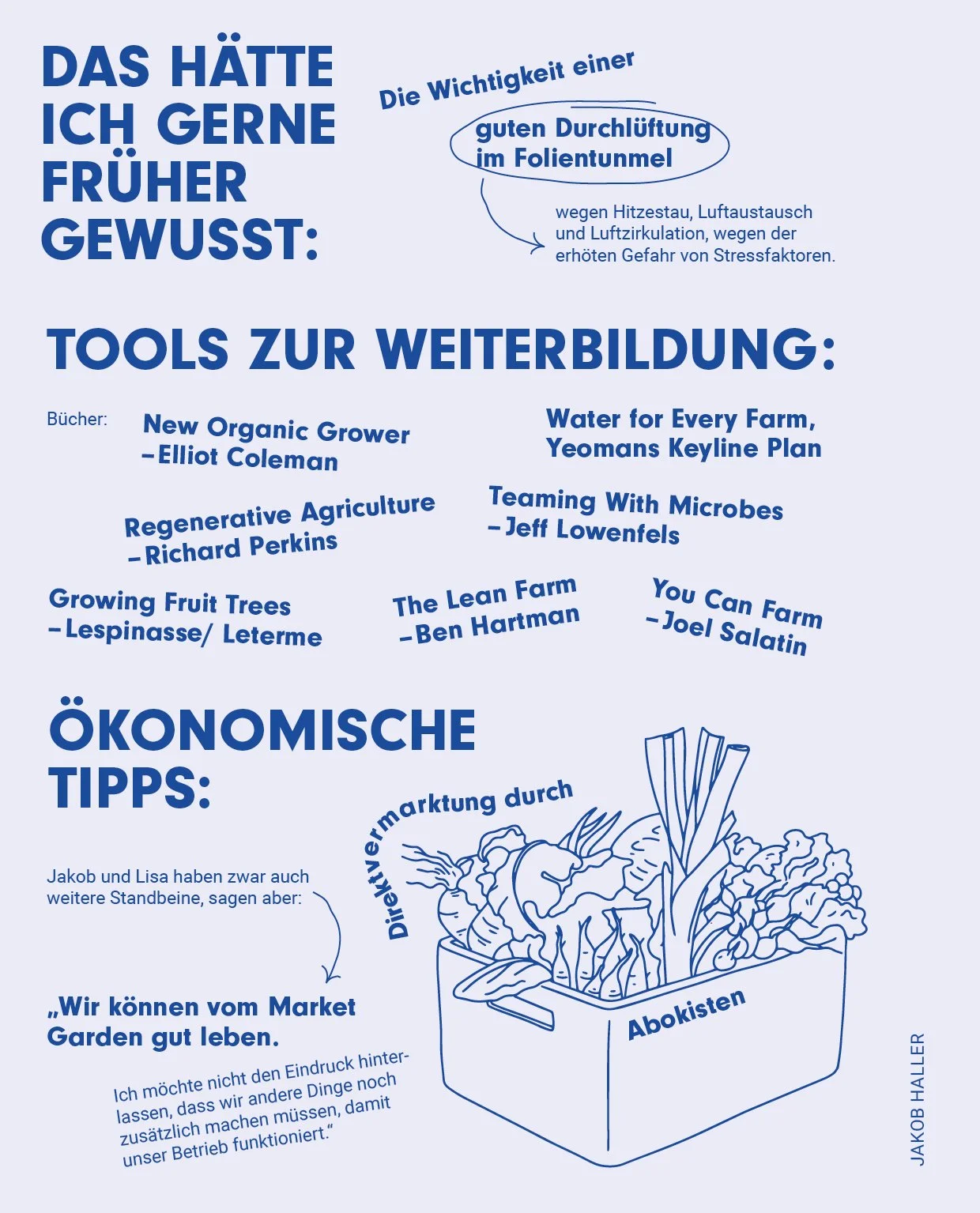
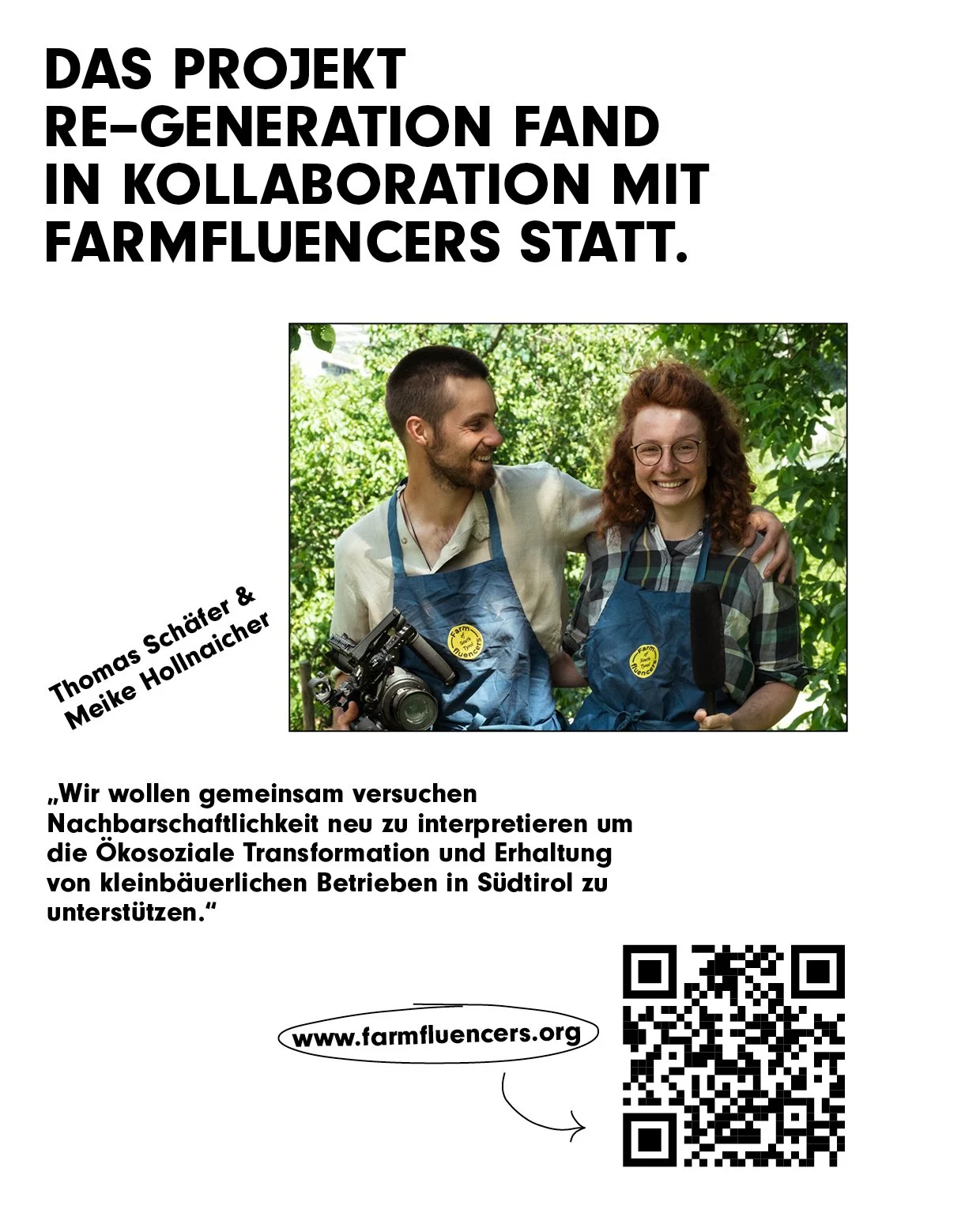
Our goal was to build a bridge between future farmers and experienced alternative farmers, strengthening existing networks and encouraging more sustainable approaches to farming.
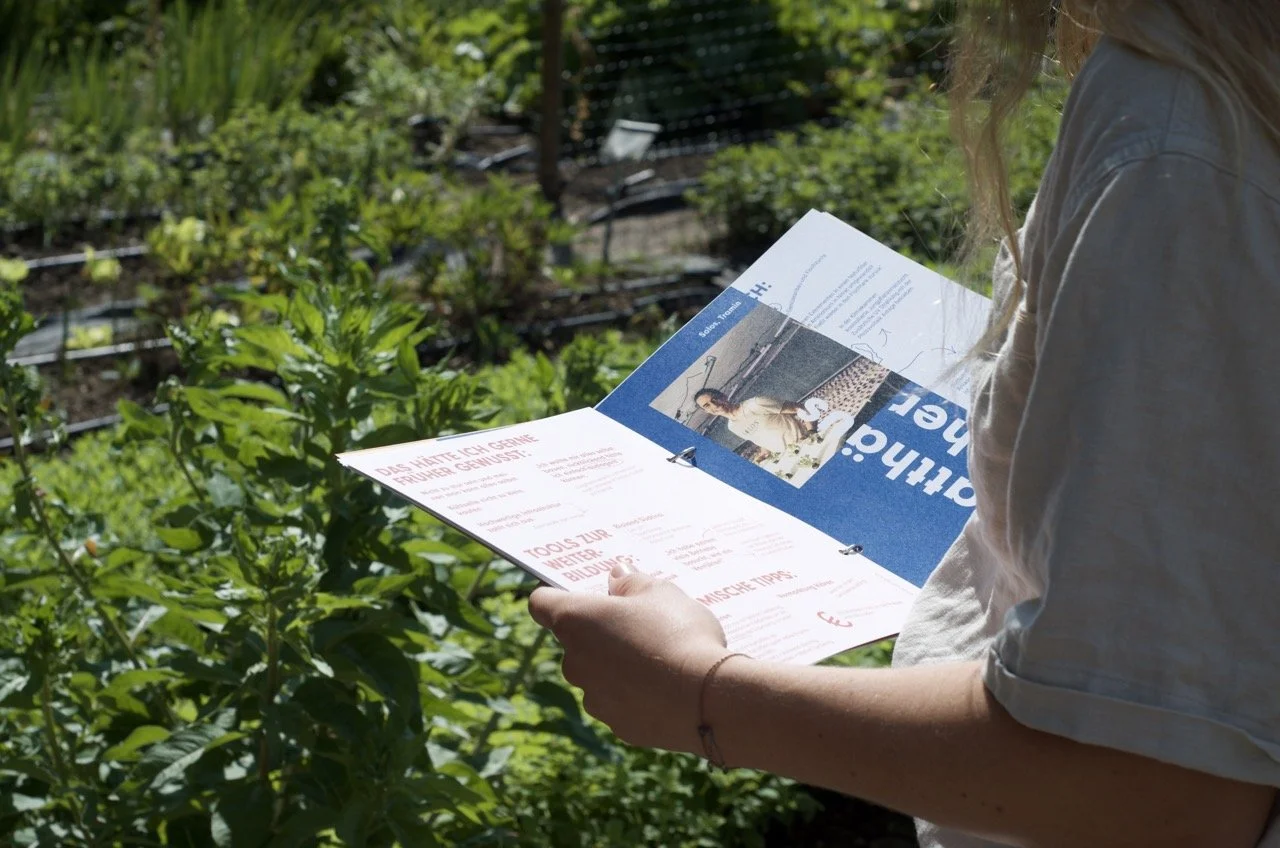
Instead of presenting abstract theory in another dry textbook, this guide focused on peer-to-peer knowledge sharing, allowing experienced farmers to directly support and inspire future practitioners.
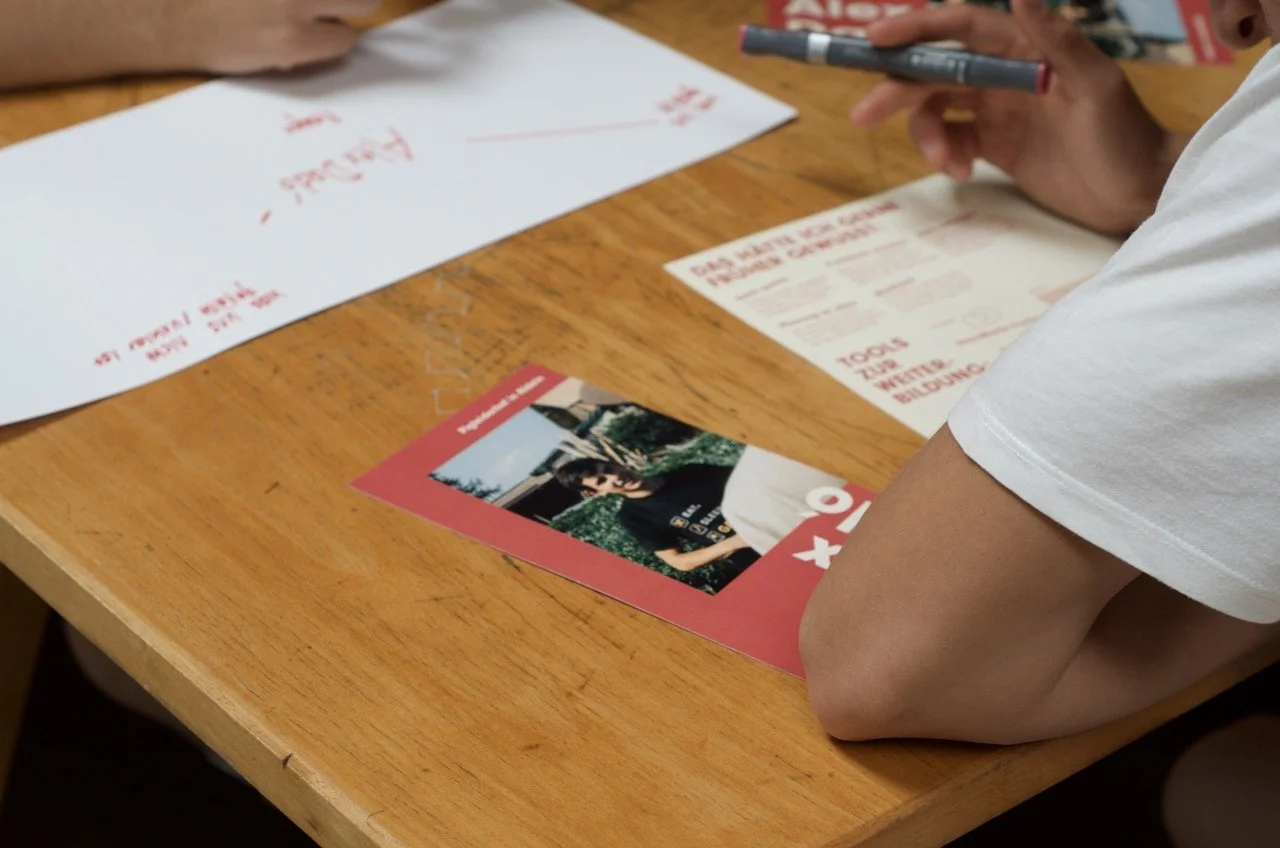
Based on insights from two workshops with agriculture students, we designed a practical field guide that translated local farming knowledge into an accessible resource for agricultural students. The workshops and feedback from students aided us in designing a solution that they would actually want and use. It informed subsequent iterations, creating an ongoing cycle of research, testing, evaluation, and refinement. The process transformed local agricultural knowledge into a living resource that could continue evolving alongside the community it served.
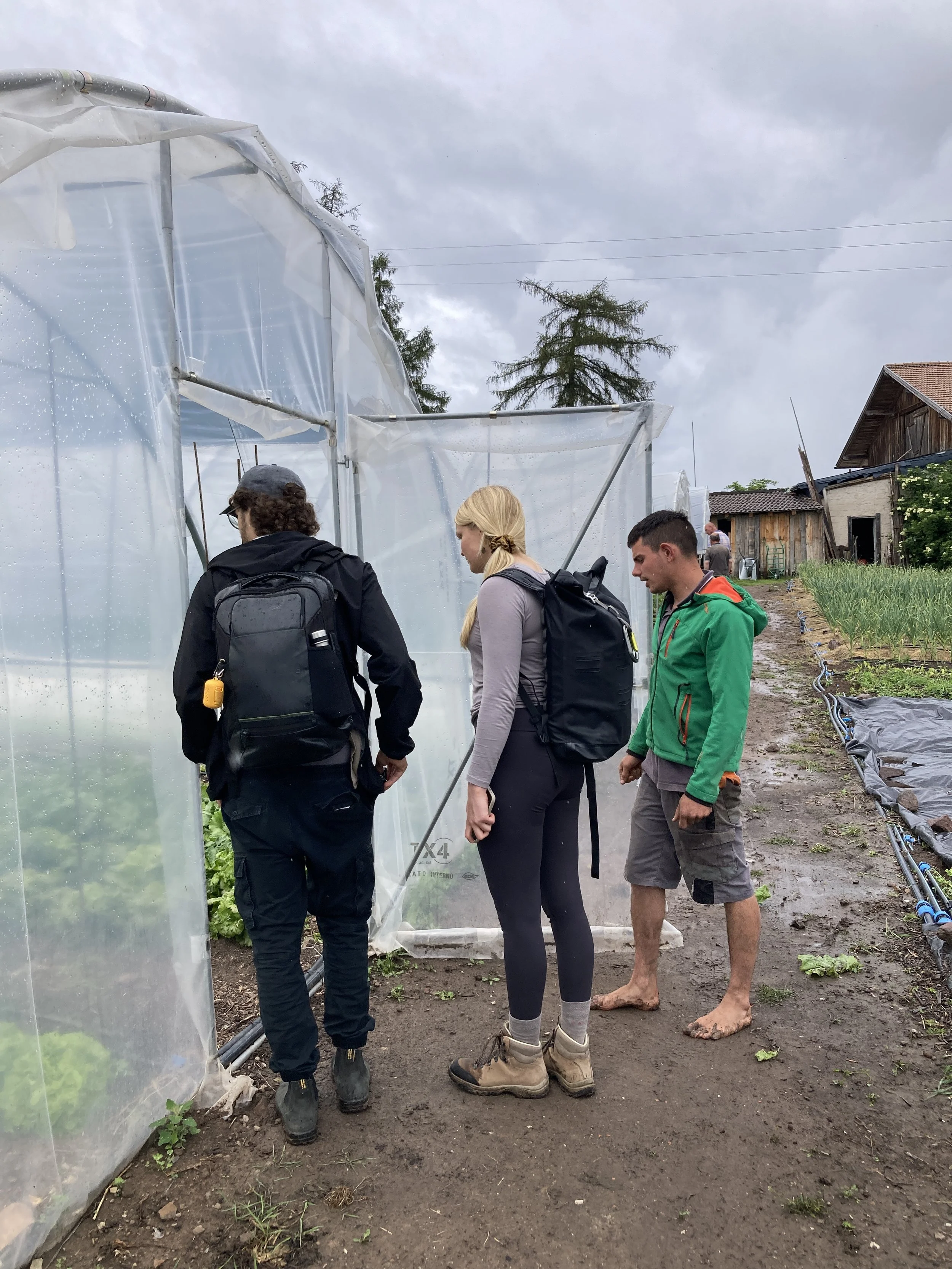
We wanted to develop a solution in direct collaboration with farming communities rather than through top-down intervention.
To understand the realities of alternative agriculture, we conducted field visits, interviews, surveys and participant observation with local farmers, spending time working on farms and documenting their experiences, challenges, and motivations.
Field guide contents:
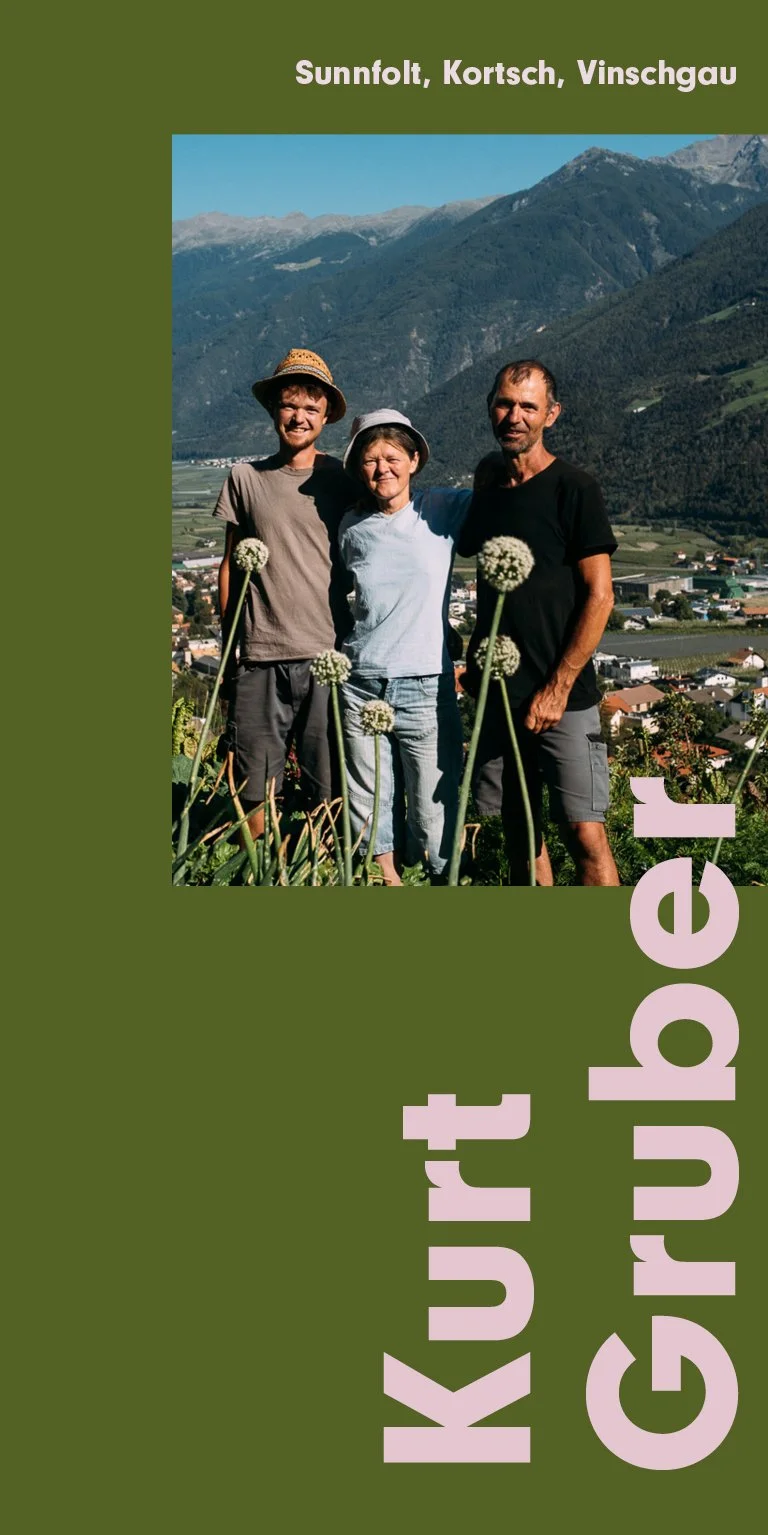
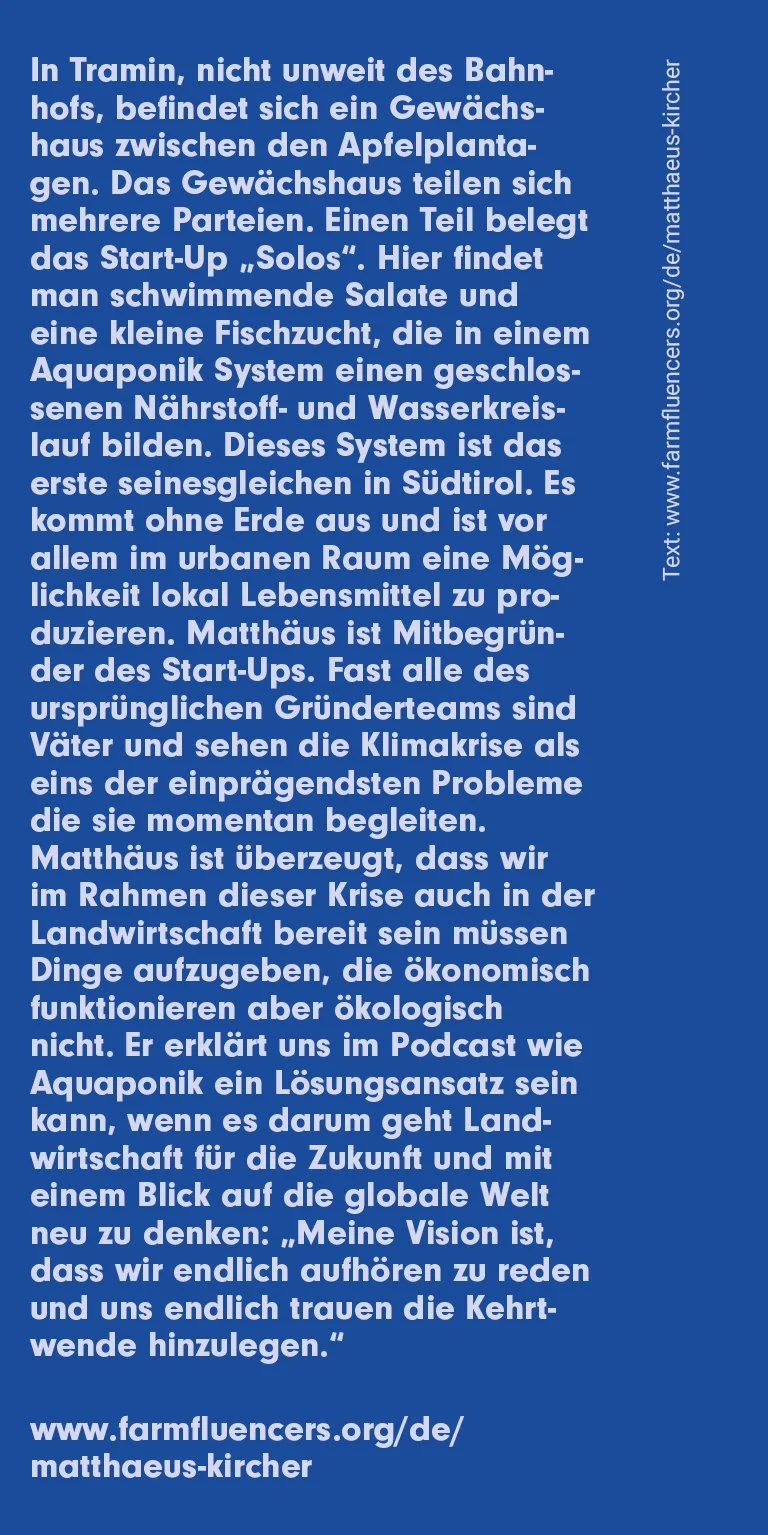
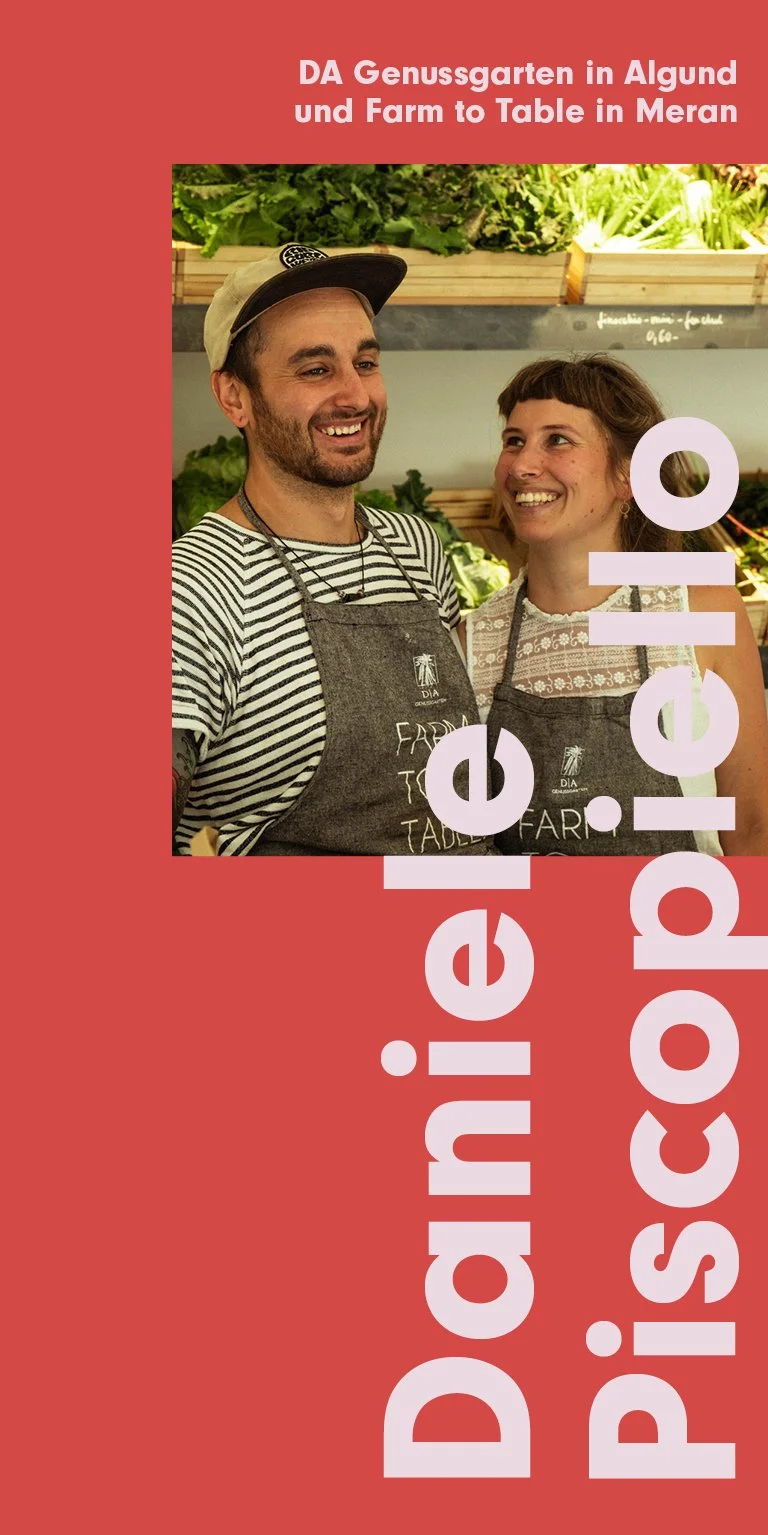
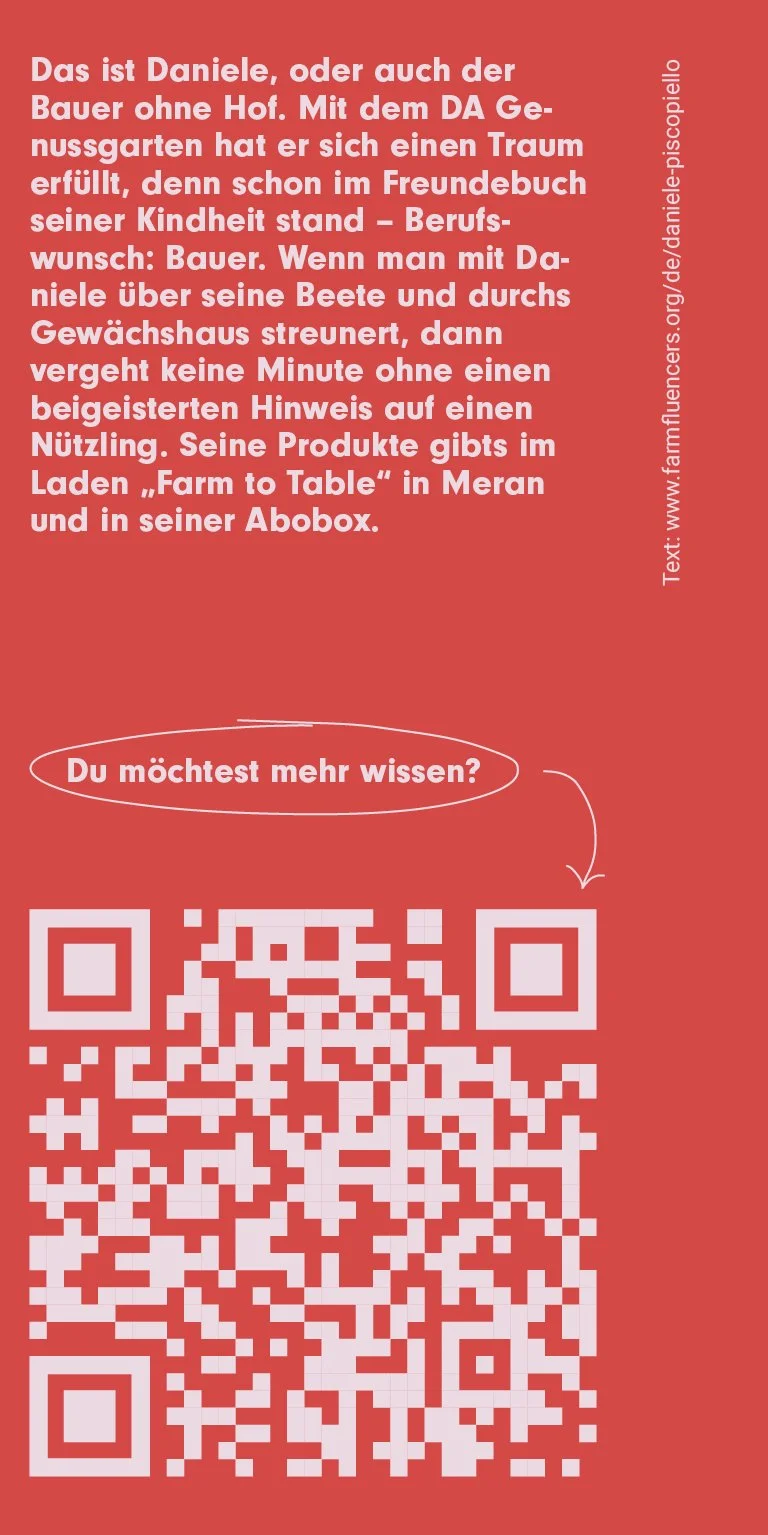
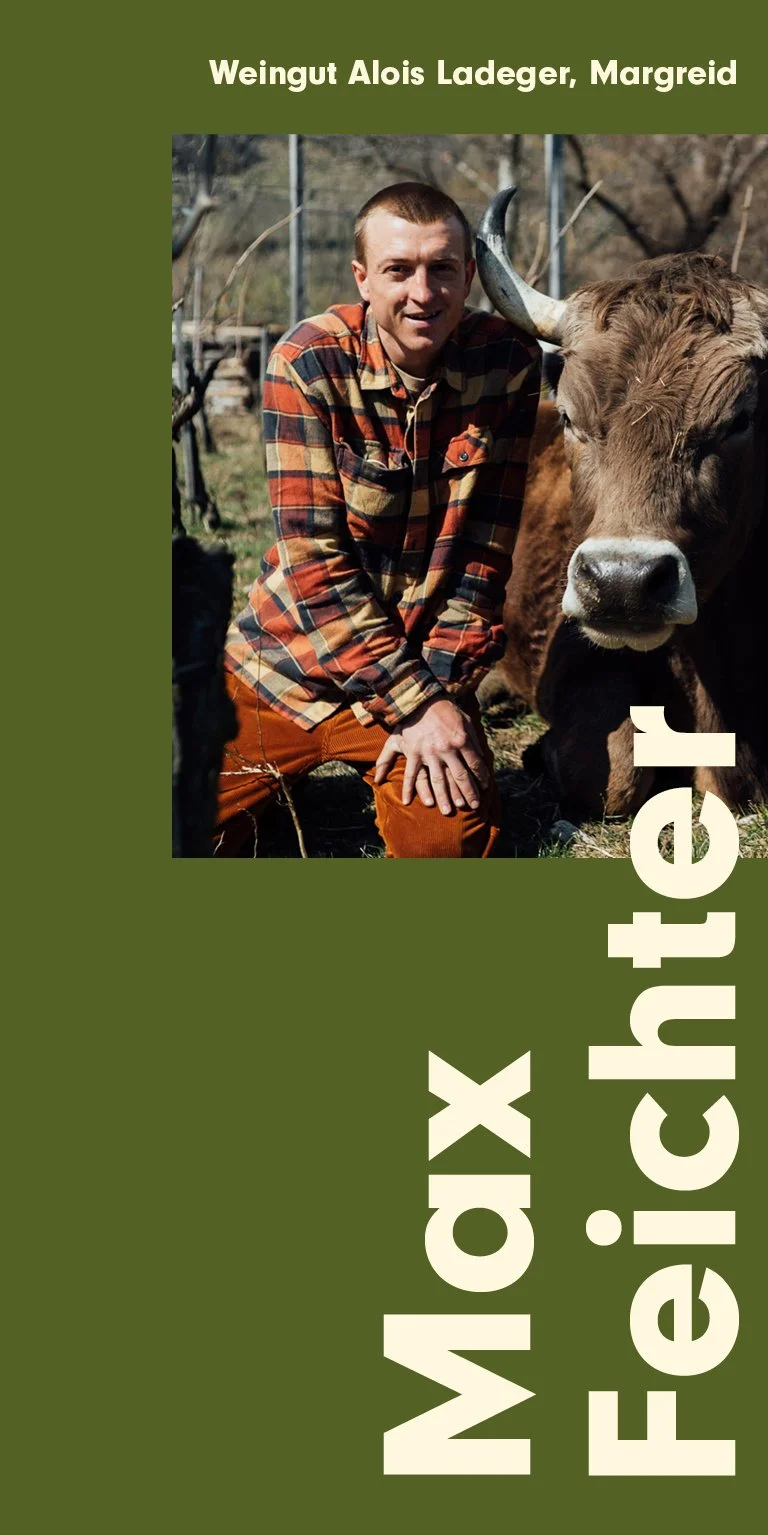
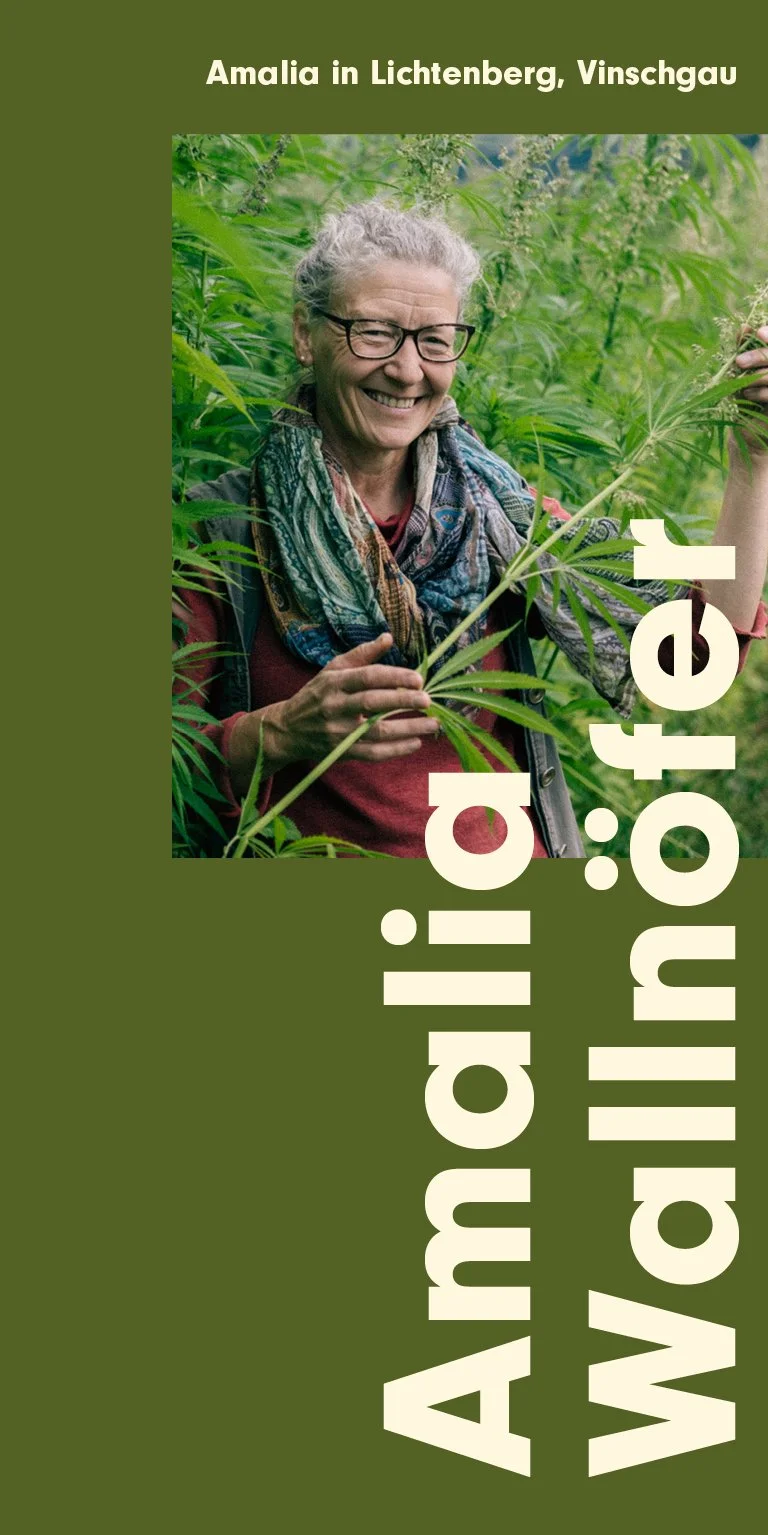
Personal stories from alternative farmers
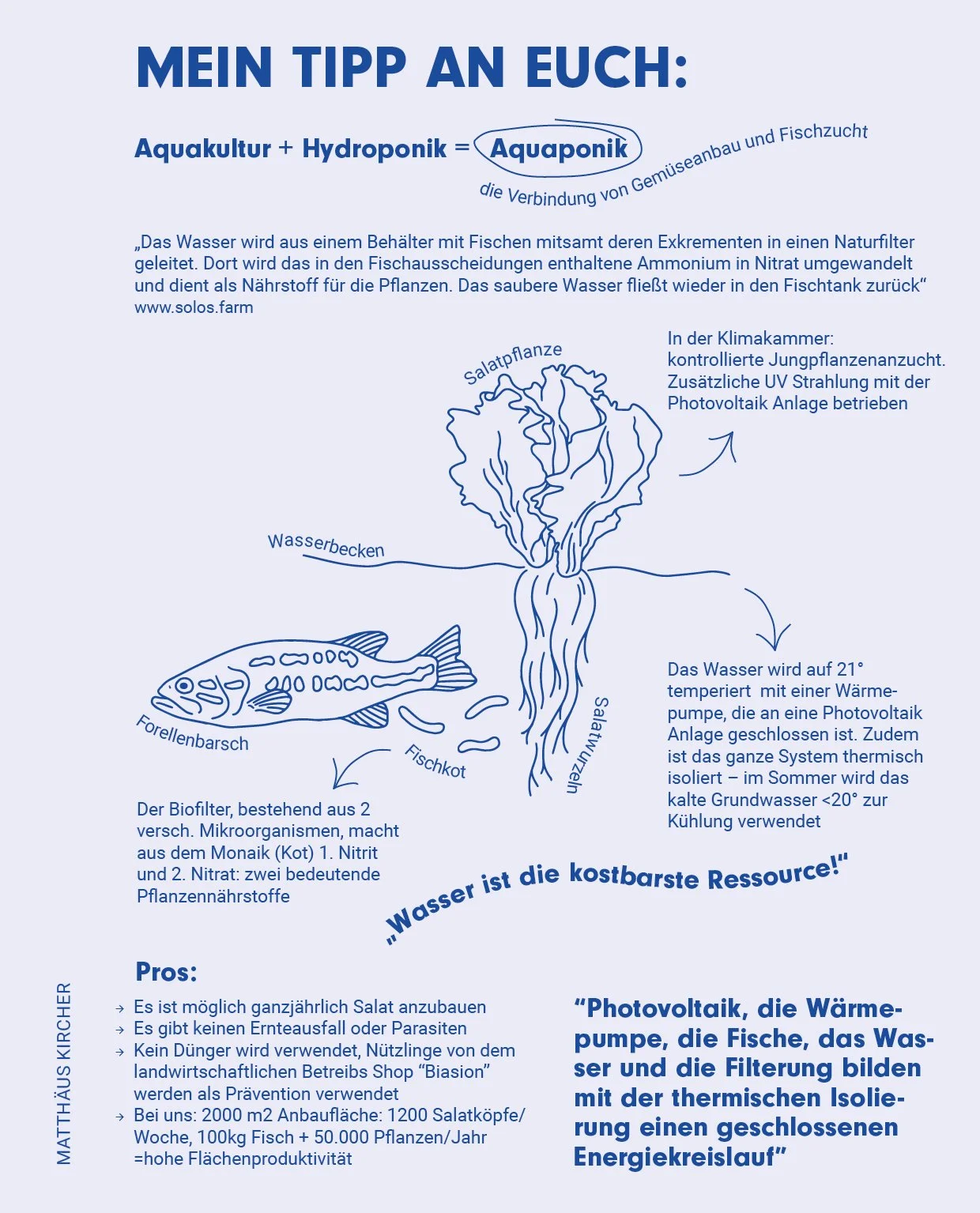
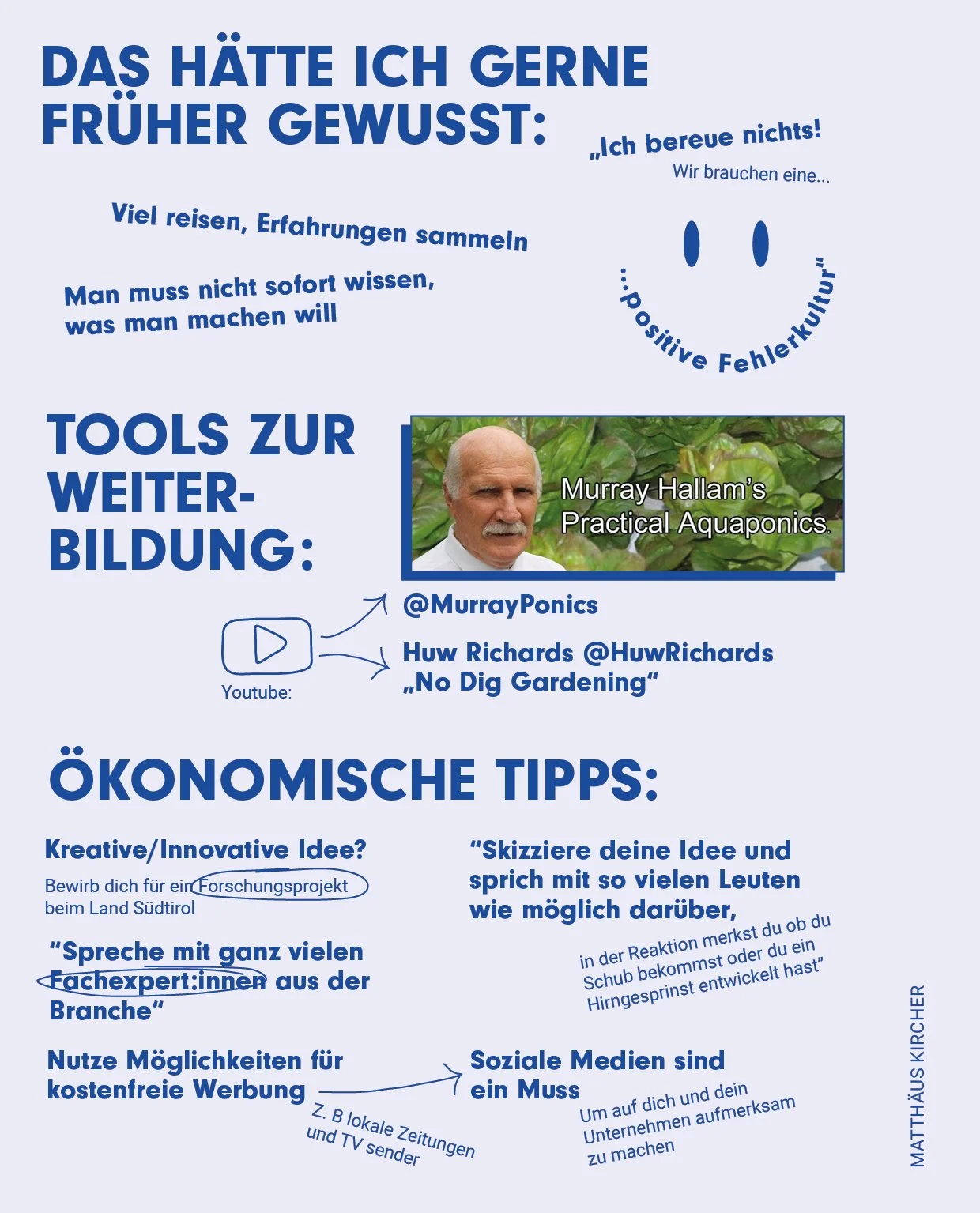
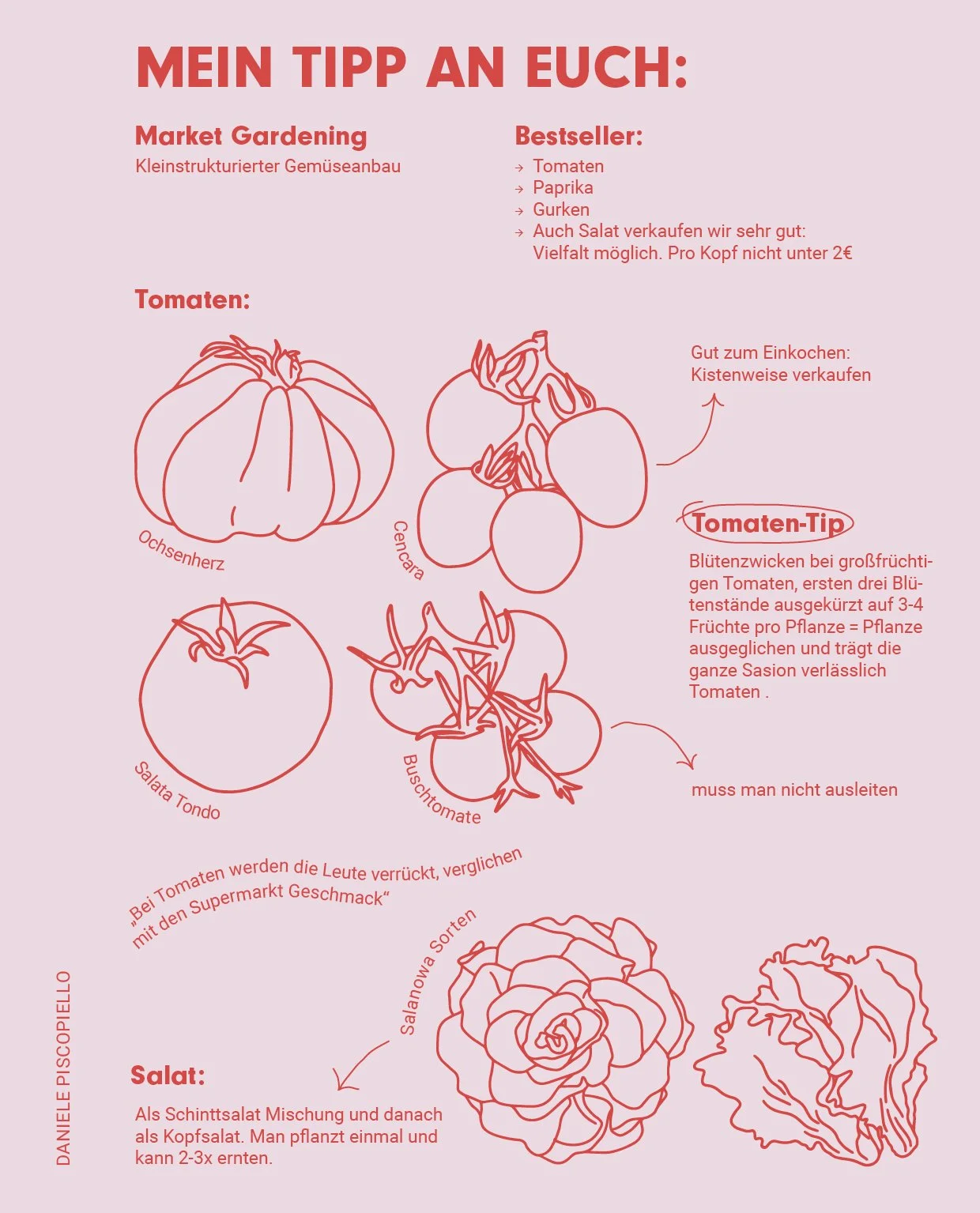
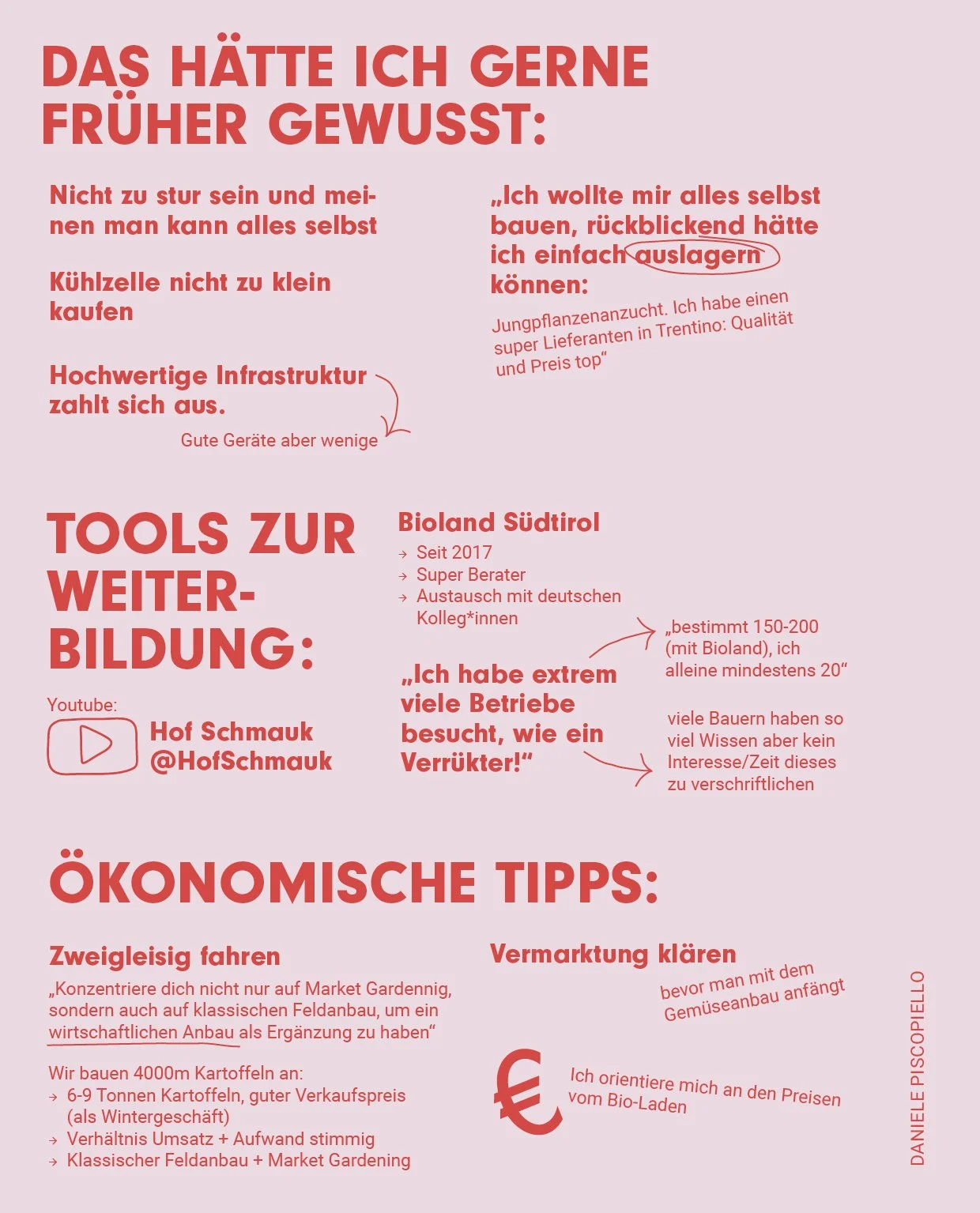
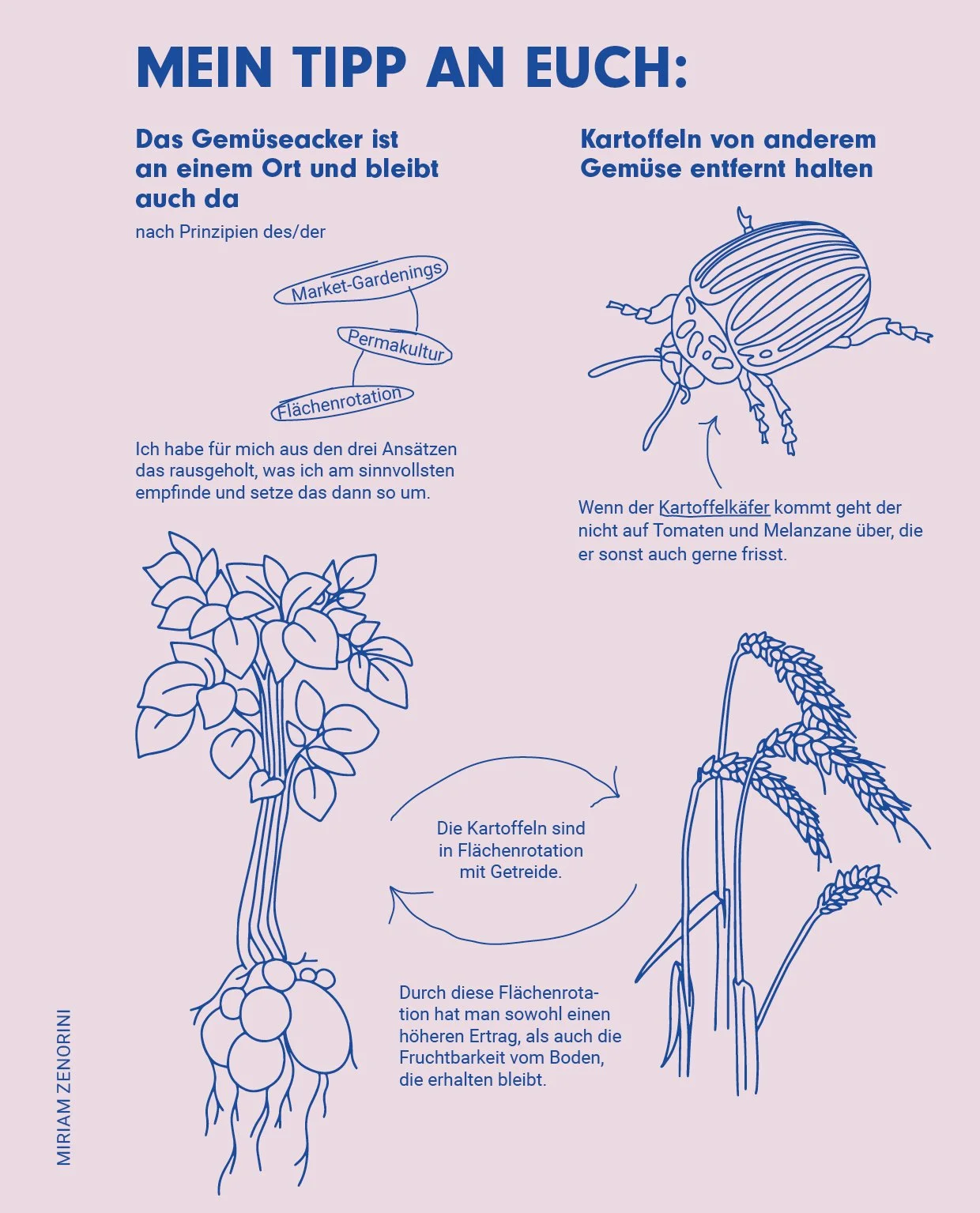
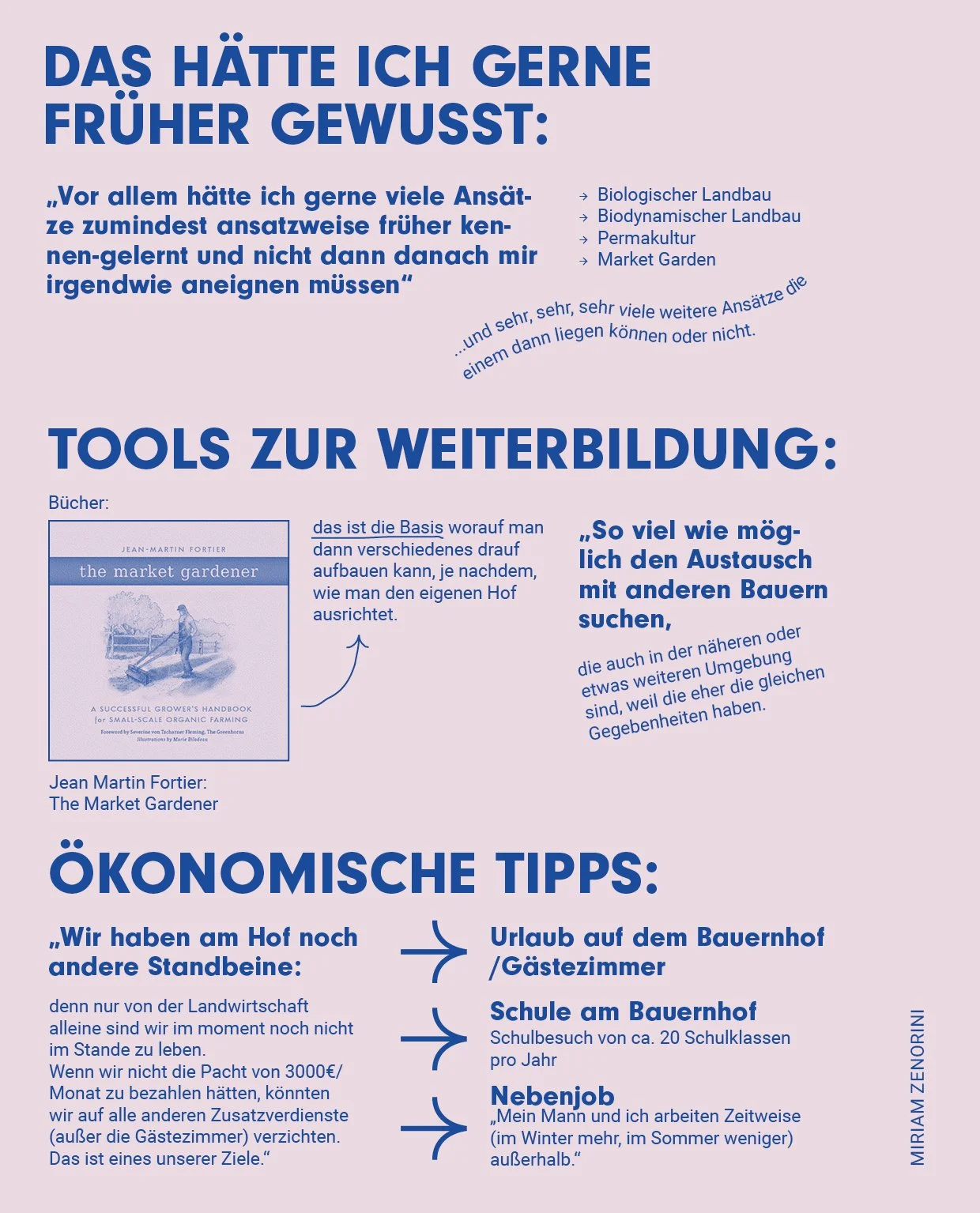
Practical, realistic tips and farming insights
Contact information and networking opportunities
Examples of alternative agricultural pathways within South Tyrol
The idea of developing a physical product rather than a digital one (in this day and age) came from observing how the regenerative farmers we visited prefer to research and learn.
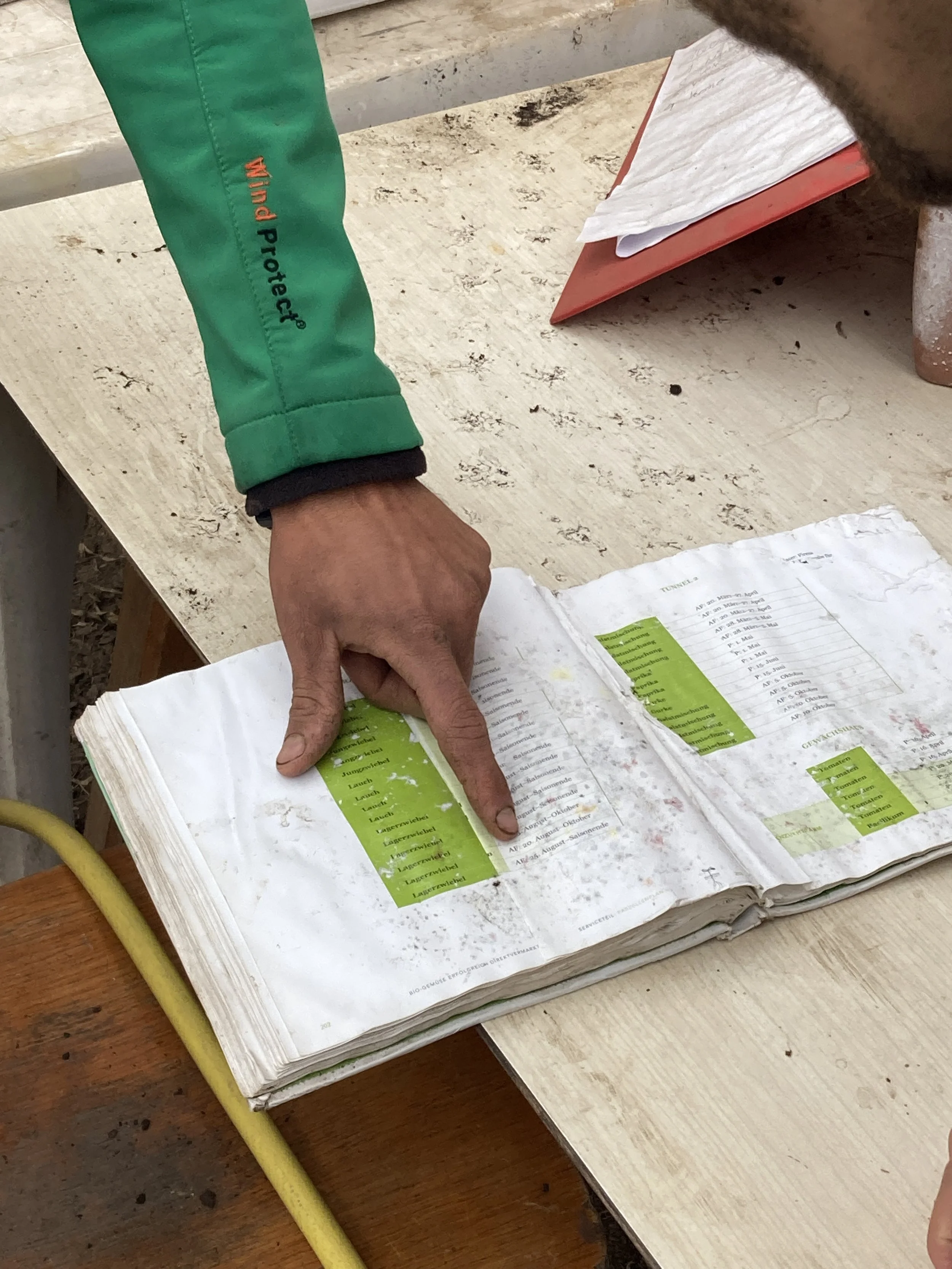
The common denominator was a book they commonly called “the regenerative farmers bible”: The Market Gardener by Jean-Martin Fortier, a renowned farmer, educator, and leading advocate for regenerative, economically profitable organic agriculture. Even though many of the farmers were young and digitally savvy, they preferred this physical source from a mentor they trusted, often taking it out into the field and referring to it when needed.
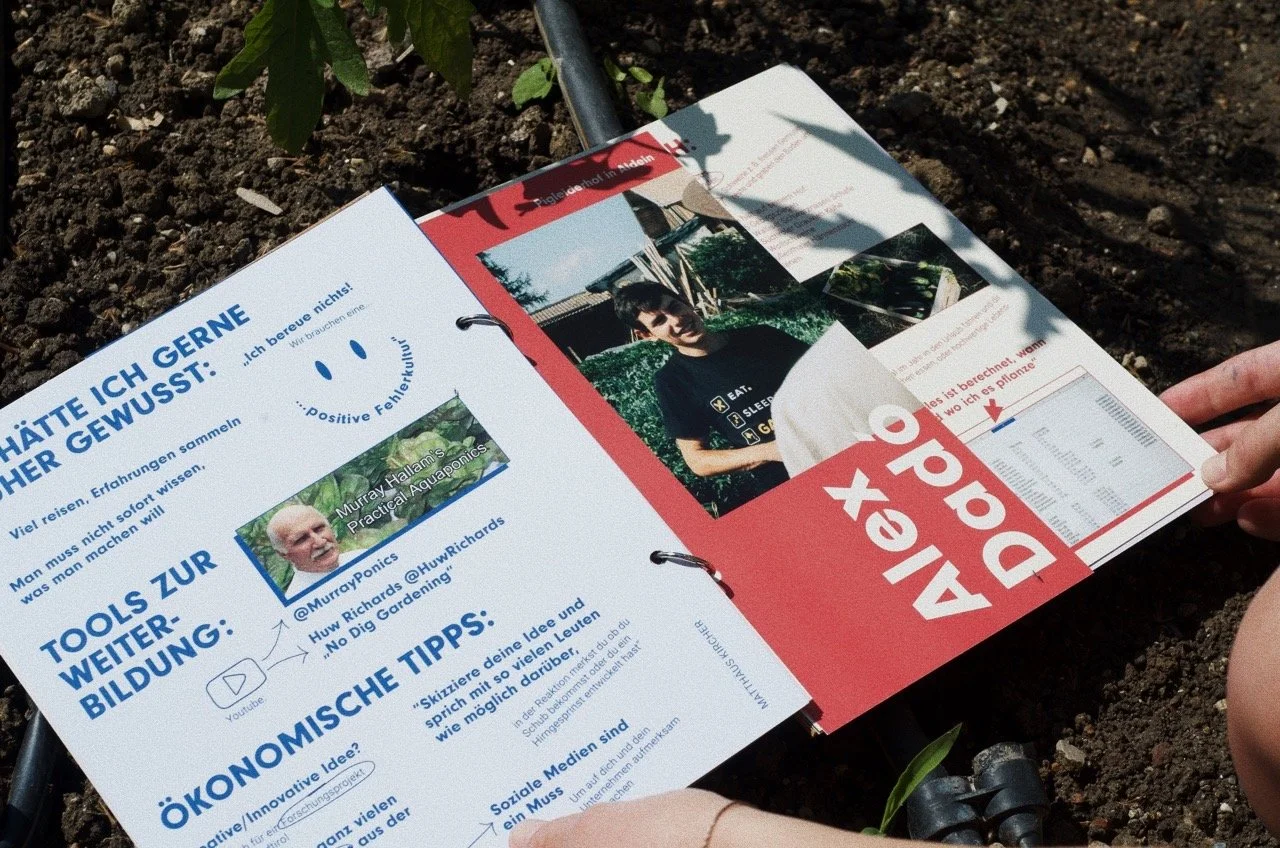
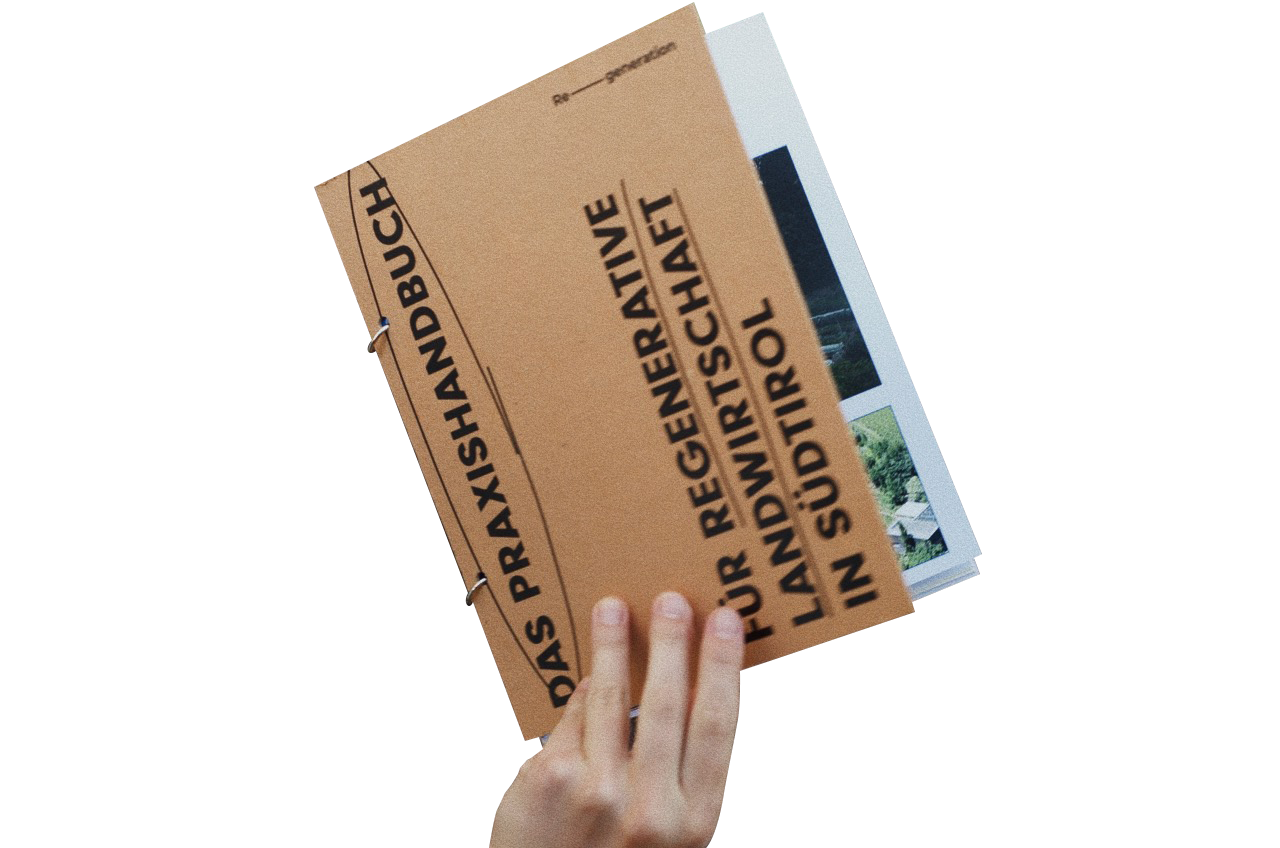
We decided to take a similar approach. The problem with Fortier’s books, however, is that farm life takes its toll on them. So we designed our field guide with a sturdy cover and thick pages. The ring binder lets farmers take out just the pages they need instead of the whole binder, and add their own notes or extra resource pages. That also means a new edition doesn’t have to be printed every time a new mentor is added.
Design Choices
Impact
Five copies of the field guide were left to the library of the Agricultural School Leimburg in South Tyrol, for students to access freely.
This project demonstrates how design can act as a facilitator between communities, institutions, and future stakeholders. By combining field research, participatory workshops, and communication design, the project helped make local agricultural knowledge more accessible while strengthening connections between generations of farmers.
The project highlights the role of design not as an external expert intervention, but as a tool for amplifying community knowledge, fostering dialogue, and supporting long-term social and ecological transformation.
Collaborators: Xavier Pettigrew, Tessa Hinz